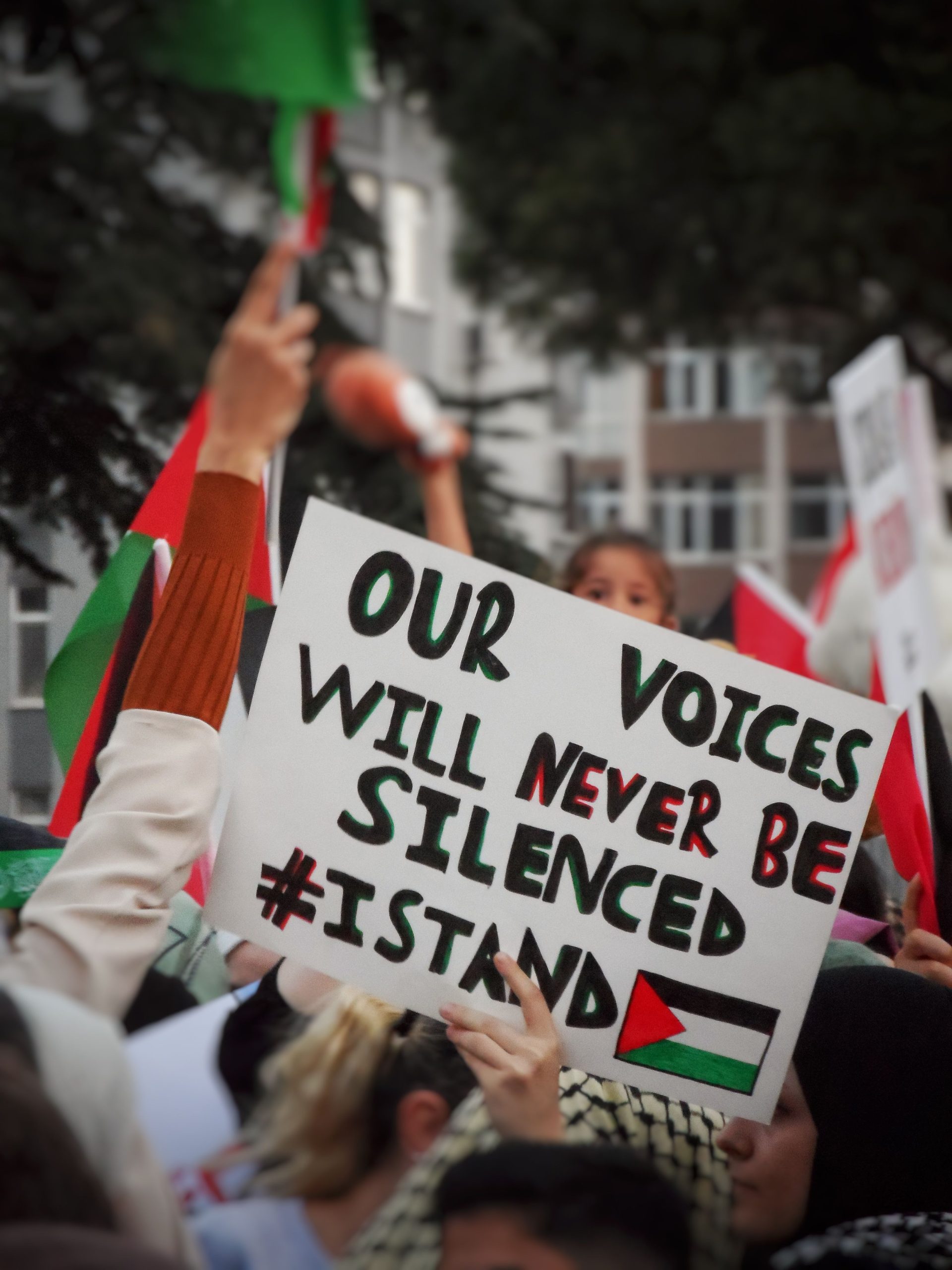
Understanding the Language of Conflict: Reassessing Terminology in the Palestine Discourse
In discussions surrounding the ongoing Israeli-Palestinian conflict, language plays a critical role in shaping perceptions and responses. Recently, a sentiment has emerged advocating for more direct terminology when addressing certain political stances and actions, particularly around the issues of Zionism, pro-Israel policies, and their impact on Palestinians.
Some voices in the discourse are emphasizing the importance of accurately labeling anti-Palestinian sentiments and actions. For instance, while many advocates highlight the need to support Palestinian rights and condemn violence from various sides, others argue that some language choices—such as referencing “Zionism” or “Pro-Israel”—may inadvertently obscure the true nature of certain political positions.
The argument posited is that instead of settling for broad or potentially euphemistic terms, it would be more effective to explicitly characterize certain behaviors and policies as “Anti-Palestine” or “Anti-Palestinian.” By doing so, critics believe it becomes clearer who is obstructing peace, endorsing violence, or facilitating what they perceive as ethnic cleansing or genocide.
This perspective suggests that adopting more straightforward terminology could influence public discourse and political responses. Calling out anti-Palestinian actions explicitly might challenge supporters of certain policies to reconsider their positions, especially when confronted with questions about how their actions align with a genuine path toward peace and justice for Palestinians.
While this position is subject to debate and interpretation, it underscores the importance of precise language in activism and dialogue. Clear terminology can foster greater understanding, accountability, and meaningful engagement with complex issues.
Ultimately, the call for using the term “Anti-Palestine” more frequently reflects a desire for honesty and clarity in discussions surrounding this sensitive and multifaceted conflict. As with any intense geopolitical issue, ongoing dialogue must prioritize accuracy, empathy, and a commitment to truth.
Note: This article aims to present various viewpoints for informational purposes and encourages readers to approach complex topics with critical thinking and compassion.