Understanding the Complex Narratives of Hezbollah and Hamas: Terrorists or Freedom Fighters?
In contemporary geopolitical discourse, groups such as Hezbollah and Hamas are often swiftly categorized as “terrorists,” particularly within Western narratives. However, such labels can oversimplify the complex realities and historical contexts that underpin their existence. Striking a nuanced perspective is essential to fully comprehend their motivations, actions, and the broader conflicts in which they are embedded.
Historical and Regional Contexts
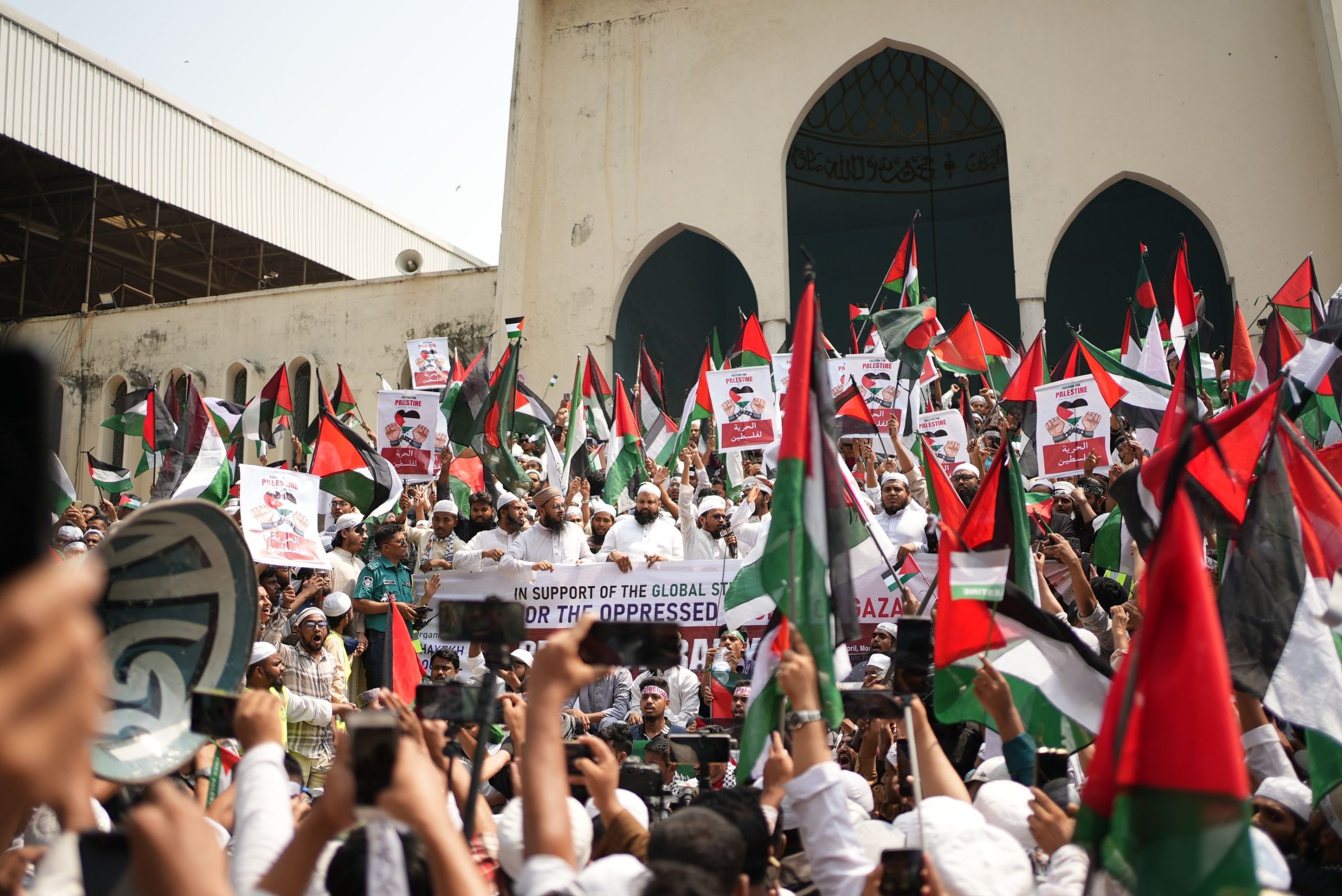
Hezbollah emerged in Lebanon during the 1980s, largely as a response to Israel’s invasion of Lebanon in 1982. Many in Lebanon and the broader Middle East perceive Hezbollah not merely as a militant organization but as a resistance movement defending Lebanese sovereignty and Shia communities against external aggression. Similarly, Hamas was founded in the late 1980s during the First Intifada, positioning itself as a defender of Palestinian rights amid ongoing Israeli occupation of Gaza and the West Bank. For many Palestinians, Hamas represents a struggle for dignity, self-determination, and survival against systemic oppression.
The Moral and Legal Dilemmas
While acknowledging their claims of resistance, it is undeniable that some tactics employed by both groups—such as rocket attacks on civilian populations and other acts classified as terrorism by many international standards—raise profound ethical and legal questions. These actions are widely condemned under international law, which emphasizes the protection of civilians. Nonetheless, understanding why these groups resort to such tactics requires grappling with the conditions that breed their existence.
Roots of Resistance
The emergence and perpetuation of groups like Hezbollah and Hamas can be linked to entrenched issues such as prolonged occupation, systemic discrimination, displacement, and military confrontations. Many supporters see these organizations as responses to longstanding grievances and as weapons for marginalized populations to voice their opposition when traditional diplomatic channels have proved insufficient or inaccessible.
The Double Standards of International Response
A critical aspect of this debate involves examining the inconsistent standards of international law and global response. While these groups are frequently labeled as terrorists, the broader conduct of states—often involving disproportionate military force, civilian casualties, and systemic violations—sometimes receives less scrutiny or even justification. This disparity calls into question prevalent narratives and the double standards that influence international policy.
Reframing the Conundrum
Ultimately, the question of whether Hezbollah and Hamas are terrorists or freedom fighters is intertwined with how the world perceives resistance, sovereignty, and justice. In asymmetrical conflicts—where one side possesses overwhelming military power—the lines between resistance and terrorism often blur. Recognizing the legitimacy of struggles for self-determination does not condone violence, but it urges a reevaluation of how these conflicts are understood and addressed.
Moving Forward
A comprehensive and empathetic approach requires acknowledging the grievances, histories, and aspirations of oppressed populations, alongside a clear condemnation of violence against civilians. The challenge lies in balancing security concerns with human rights and ensuring that international responses are consistent and just.
In conclusion, framing groups like Hezbollah and Hamas solely as terrorists overlooks the complexities and historical contexts of their struggles. Engaging with these nuances is vital for fostering more informed, compassionate, and effective discussions on conflict, resistance, and peace in the Middle East.