Understanding the Stages of Genocide: A Critical Framework
Genocide is a catastrophic event that does not emerge spontaneously; rather, it is the culmination of a series of deliberate and often interconnected processes. Recognizing these stages provides vital insights into how genocides develop and underscores the importance of early intervention to prevent such atrocities.
This framework outlines ten stages that commonly characterize the progression toward genocide. While these stages may occur in a fixed sequence, it is also common for them to overlap or transpire in varying orders depending on specific contexts. Notably, recent events call for rigorous analysis and reflection on how certain patterns may be unfolding today.
-
Classification
The process begins with dividing society into ‘us’ and ‘them’—a division often reinforced through stereotypes and social exclusion. This dehumanization of perceived out-groups establishes the foundation for discriminatory actions and cultivates an environment ripe for further hostility. -
Symbolisation
Visual markers serve as a means of differentiating targeted groups. Historically, Jews in Nazi Europe were forced to wear yellow stars; other groups have been similarly marked or stigmatized to signify their “difference” and facilitate further marginalization. -
Discrimination
Legal and social rights are systematically denied to the targeted group. Legislation such as Germany’s 1935 Nuremberg Laws exemplifies institutionalized discrimination—stripping individuals of citizenship, employment rights, and personal freedoms. -
Dehumanisation
Victims are deprived of their humanity, often described through derogatory terms. During the Rwandan genocide, Tutsi victims were likened to “cockroaches,” while Nazi propaganda described Jews as “vermin,” enabling perpetrators to carry out violence with diminished moral restraint. -
Organisation
Genocide is rarely spontaneous; it involves meticulous planning. Hate regimes often organize the perpetrators through training and logistical support, creating a structured framework for mass violence. -
Polarisation
Propaganda intensifies societal divisions. Hate speech campaigns and media outlets amplify hostility, further isolating the victim group and diminishing the potential for moderate voices to challenge the rising tide of violence. -
Preparation
Perpetrators mobilize resources and strategize for mass violence. Euphemisms such as the Nazis’ “Final Solution” conceal the true intent, enabling the planning and fear-mongering necessary to carry out genocide. -
Persecution
Victims are systematically targeted based on ethnicity, religion, or perceived difference. They are segregated into ghettos, deported, starved, or have property confiscated. At this stage, mass killing often begins, signifying the onset of genocide. -
Extermination
The deliberate and systematic killing of victims occurs on a large scale. This , the most immediate phase of genocide, results in the loss of millions of lives and irreparable damage to communities and societies. -
Denial
Post-atrocity, perpetrators and subsequent generations frequently deny or minimize the crimes committed. Denial impedes justice, reconciliation, and efforts to prevent future atrocities.
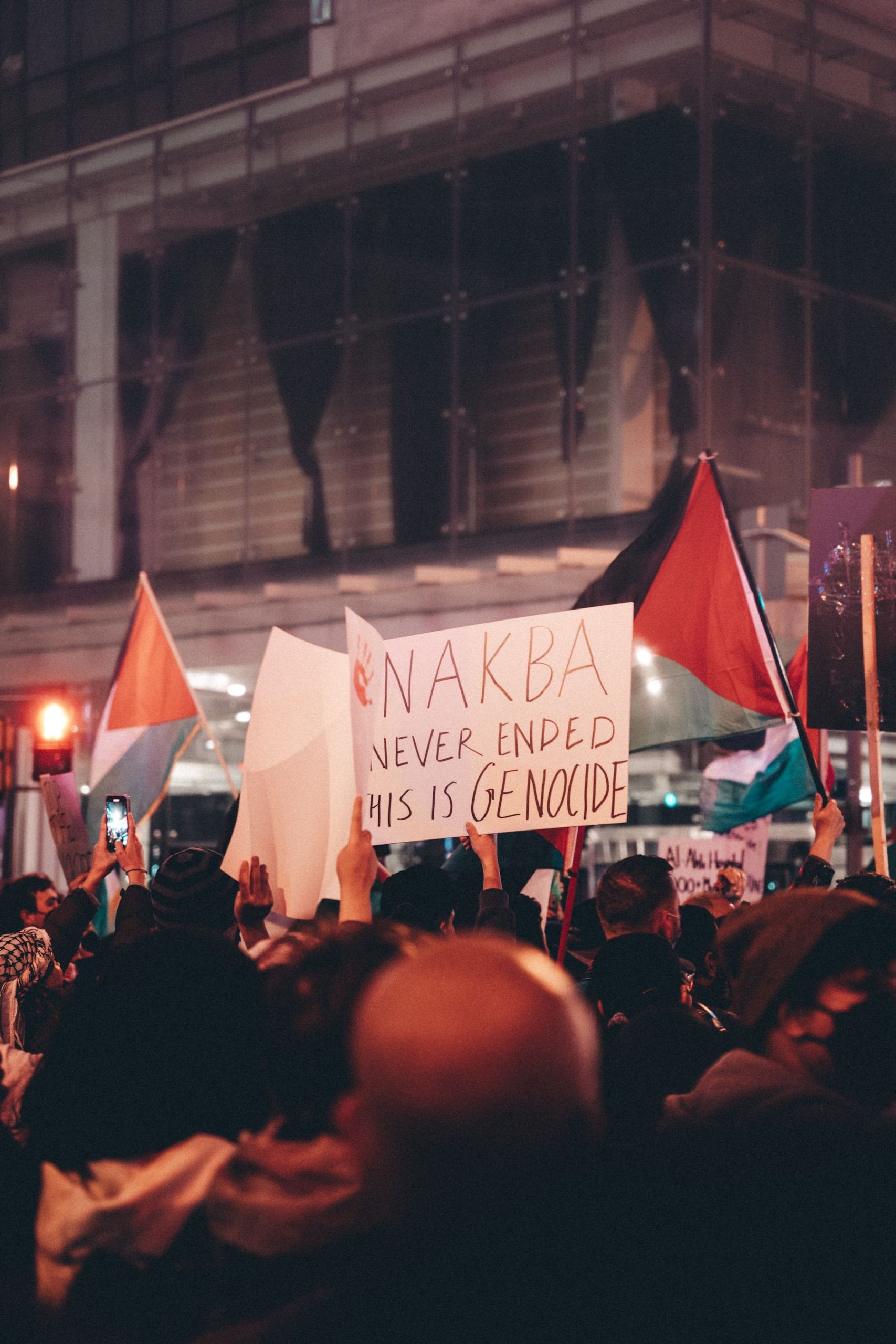
Contextual Reflection: The Case of Palestine
Recent analyses suggest that certain ongoing conflicts, such as the situation involving Palestinians, exhibit characteristics aligning with the later stages of this framework—namely, persecution, extermination, and denial. Recognizing these patterns is crucial for international stakeholders and advocates committed to conflict resolution and human rights.
Conclusion
Understanding the stages of genocide enhances our ability to identify early warning signs and intervene before violence escalates. Continued vigilance, education, and international cooperation are essential to prevent future genocides and to uphold the dignity and rights of all peoples.