Escalating Crisis: The Impact of the Israeli Aid Blockade on Children Amid the Meningitis Outbreak in Gaza
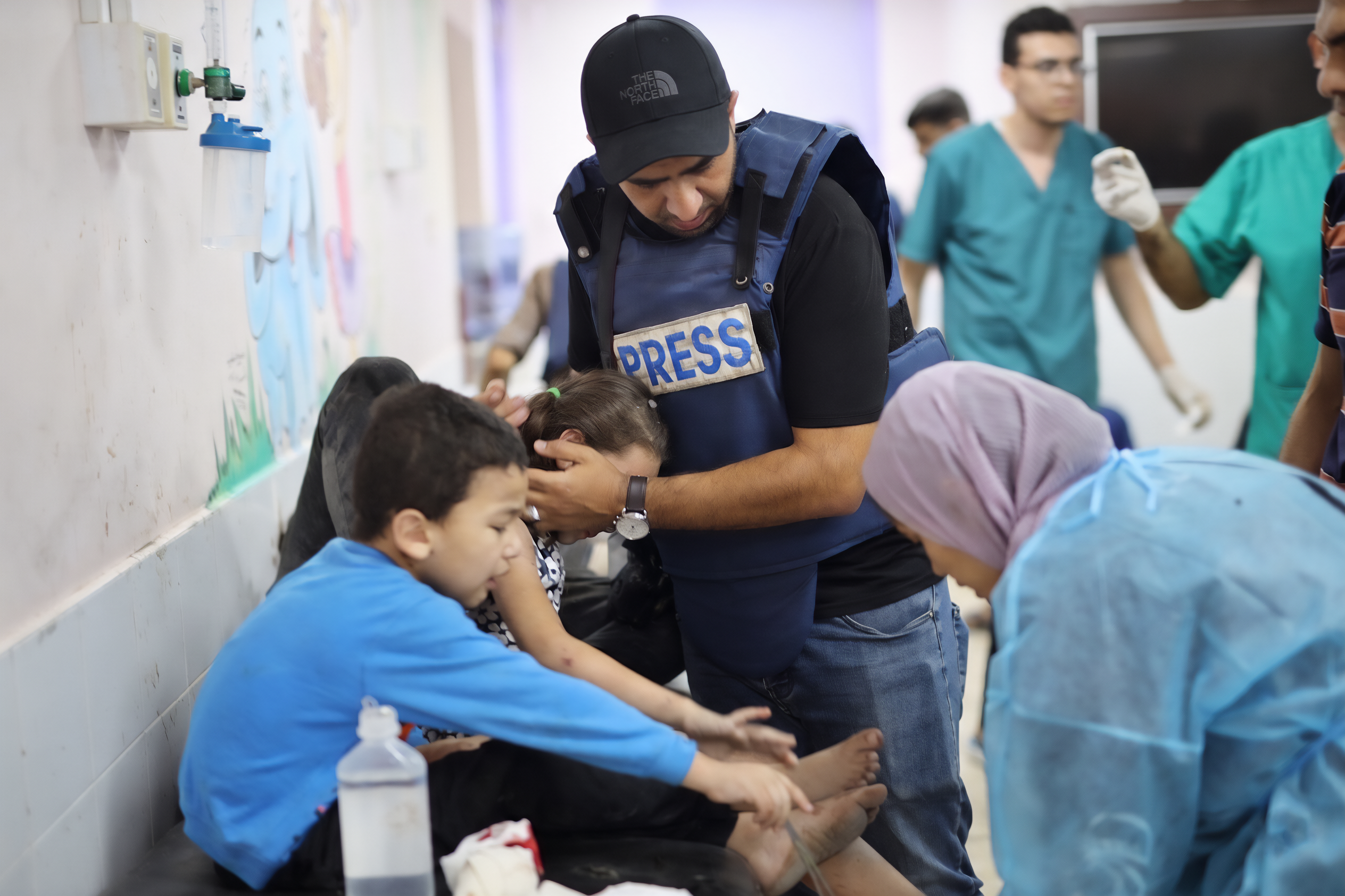
Recent reports have brought to light a worsening health emergency affecting children in Gaza, where a meningitis outbreak has now infected approximately 35 young individuals. This alarming development underscores the devastating consequences of an ongoing aid blockade and the deliberate deterioration of the region’s already fragile healthcare infrastructure.
The Human Cost of Healthcare Collapse
Meningitis, a serious and potentially deadly disease, can cause catastrophic complications such as brain damage, organ failure, limb loss, and deafness among survivors. In densely populated, resource-scarce environments like Gaza, the risk of rapid transmission and severe outcomes is compounded. Healthcare workers, already overstretched, face insurmountable challenges in diagnosing and treating such infections. With the healthcare system near collapse, the capacity to respond effectively is virtually nonexistent, and the prognosis for affected children remains grim.
Conditions Fuelling a Potential Catastrophe
Gaza’s living conditions are dire, with nearly two million people confined to a shrinking area characterized by severe overcrowding, malnutrition, and inadequate sanitation. The streets are lined with sewage and trash, attracting rats, flies, and mosquitoes—vectors for various diseases. The population’s immunity is severely compromised due to chronic food shortages and lack of basic hygiene supplies, creating a perfect storm for infectious outbreaks.
Adding to these grim realities, recent aid efforts have been insufficient and, at times, contaminated. Reports suggest that the limited supplies of medicine and relief materials—including medications purportedly containing oxycodone—may have been tainted or used as a means of control rather than genuine aid. The abrupt cessation of US assistance, following suspicions surrounding aid shipments and the pier’s alleged use for military purposes, has only heightened the vulnerability of this vulnerable population.
Vulnerable Populations and Vaccination Gaps
Children born during the last two years have likely missed crucial vaccinations, leaving them unprotected against diseases like meningitis. Unlike many developed regions where vaccines are administered in early childhood, access in Gaza is severely limited. The absence of vaccines and antibiotics means that if an outbreak occurs, the prognosis is bleak. Without treatment, meningitis can progress rapidly to septicemia and coma, with outcomes often fatal.
The Risks of Medical Infrastructure Breakdown
In the event of severe disease progression, the need for advanced medical procedures such as limb amputation or intensive surgeries becomes critical. However, the lack of anesthetics, painkillers, and post-operative care—combined with widespread malnutrition—makes survival uncertain. For many, the prognosis is bleak: the absence of prosthetics and mobility aids further diminishes their quality of life following injury or disease.
A Call for Urgent Humanitarian Action
The current crisis is a stark reminder of the devastating human toll when aid is obstructed and healthcare systems are systematically dismantled. Protecting vulnerable populations, especially children, requires immediate and sustained humanitarian intervention. Ensuring the delivery of vaccines, antibiotics, and essential medical supplies is paramount to prevent a full-scale health catastrophe.
Conclusion
The plight of children suffering from meningitis amidst Gaza’s ongoing blockade underscores a broader tragedy of preventable suffering. International communities must prioritize humanitarian access, support local healthcare efforts, and advocate for the cessation of policies that exacerbate health vulnerabilities. Without urgent action, the region faces a preventable disaster with long-lasting consequences for its youngest and most vulnerable residents.
Sources:
Al Jazeera Live News Updates