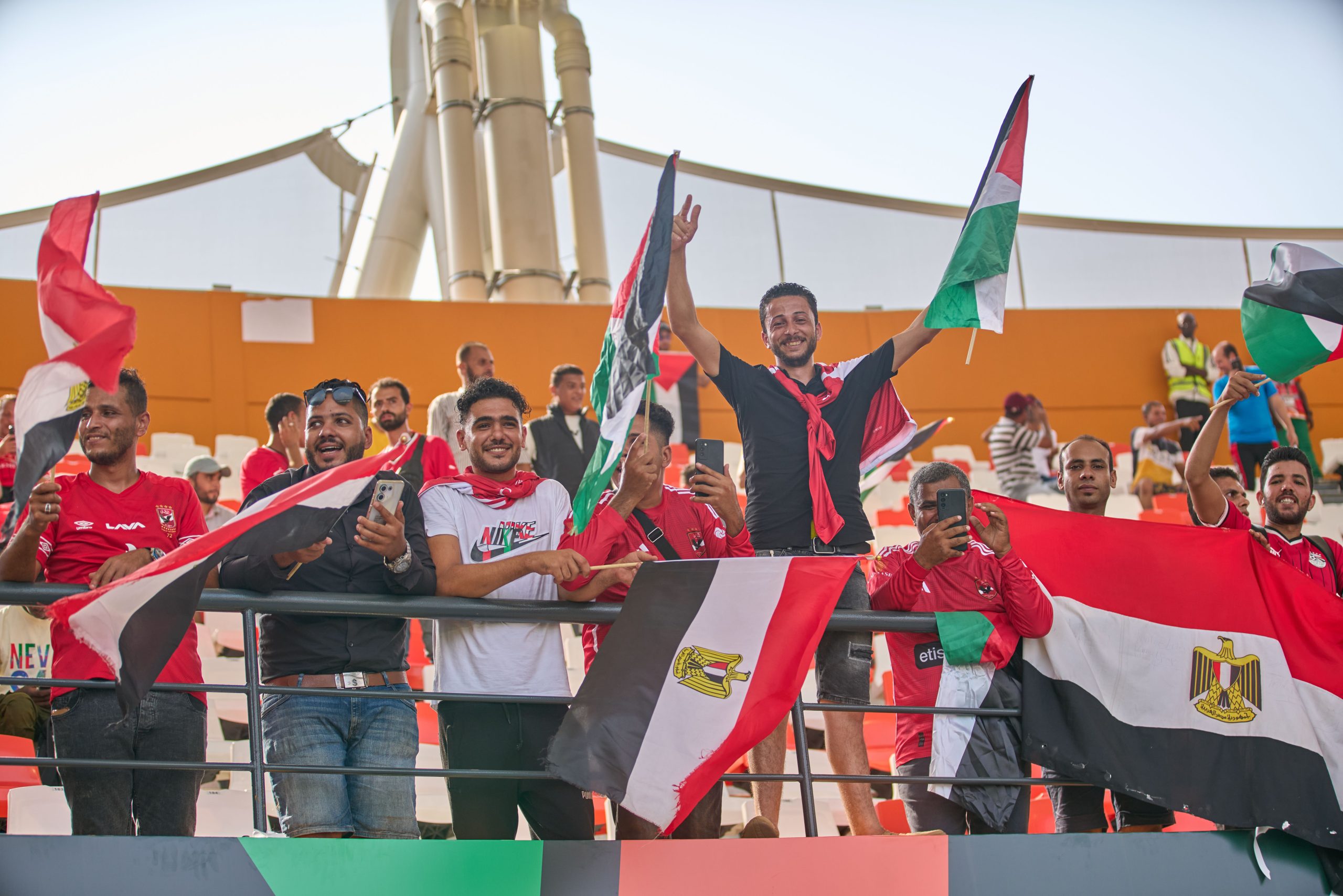
Understanding the Implications of the Egyptian-Brokered Palestinian Movement: A Perspective on Gaza’s Future
The ongoing discussions surrounding the potential movement of Palestinians from Gaza to Egypt have sparked widespread debate and concern. Some entities, including the Egyptian government, have reportedly requested that Egypt permit Palestinians from Gaza to cross into Egyptian territory, particularly the Sinai. Such developments warrant careful analysis of their broader geopolitical and sociocultural implications.
Historical Context and Demographic Considerations
Historically, the Palestinian-Israeli conflict has been marked by significant demographic shifts and territorial disputes. The 1948 establishment of the State of Israel led to the displacement of numerous Palestinians, a moment that continues to resonate today. The strategic aim of various parties has often centered around controlling demographics and territorial integrity. The potential for Egypt to facilitate the exit of Gazans raises questions about intentions and long-term consequences, especially considering Israel’s strategic interests in the region.
The Strategic Goals Behind Population Movements
From a geopolitical perspective, controlling the movement of Palestinians in Gaza is seen by some analysts as a measure to alter demographic compositions. Israel’s objectives have historically included preventing a demographic majority that might challenge its sovereignty. Facilitating a mass exodus of Gazans to Egypt could be perceived as an attempt to strategically depopulate Gaza, thereby reestablishing control or applying pressure for future negotiations.
The Risks and Ethical Considerations
While mass migration might seem like a practical solution for some, it presents profound risks and ethical dilemmas. Displacement disrupts communities, endangers lives, and erodes cultural and social bonds. For Palestinians, Gaza is not merely a territory but a homeland with deep historical and cultural significance. Advocating against this movement emphasizes the importance of standing firm to preserve the integrity and future of Gaza and its people.
The Call for Unity and Sacrifice
In times of crisis, unity and resilience are paramount. Many Palestinians emphasize the importance of maintaining their presence in Gaza as a form of resistance and assertion of identity. Sacrificing territorial integrity or succumbing to external pressures is viewed by some as undermining the collective struggle for self-determination. Education, cultural preservation, and community solidarity are regarded as essential tools in this ongoing fight.
Supporting Education and Empowerment
The significance of education as a means of empowerment cannot be overstated. By investing in knowledge and skills, Palestinians can strengthen their resilience against external pressures. Many individuals advocate for continuous learning—through online education and other means—as a way to challenge narratives and build capacity for self-determination.
In Conclusion
The potential movement of Palestinians from Gaza to Egypt underscores complex geopolitical realities and deeply rooted concerns about sovereignty, demographic stability, and cultural preservation. While external assistance and humanitarian considerations are vital, safeguarding Gaza’s territorial integrity and promoting community resilience remain central to the Palestinian struggle. It is essential for the international community and local stakeholders to prioritize strategies that uphold the rights, dignity, and future of Gaza’s people.
Author’s Note: The perspectives shared herein aim to foster understanding and reflection on a deeply sensitive issue affecting millions. The path forward requires compassion, strategic foresight, and unwavering commitment to justice.
Disclaimer: This article presents a viewpoint on a complex and evolving geopolitical situation. Readers are encouraged to consider multiple perspectives and stay informed through credible sources.