Exploring Neighborhoods with Distinct Urban Identities in Israel
Urban landscapes around the world often possess neighborhoods that, due to various social, economic, and historical factors, develop reputations for their unique challenges and characteristics. For those interested in understanding the diverse fabric of Israeli cities, it’s worth exploring areas that have faced particular socio-economic hardships and how they are perceived both locally and internationally.
Understanding Urban Diversity in Israel
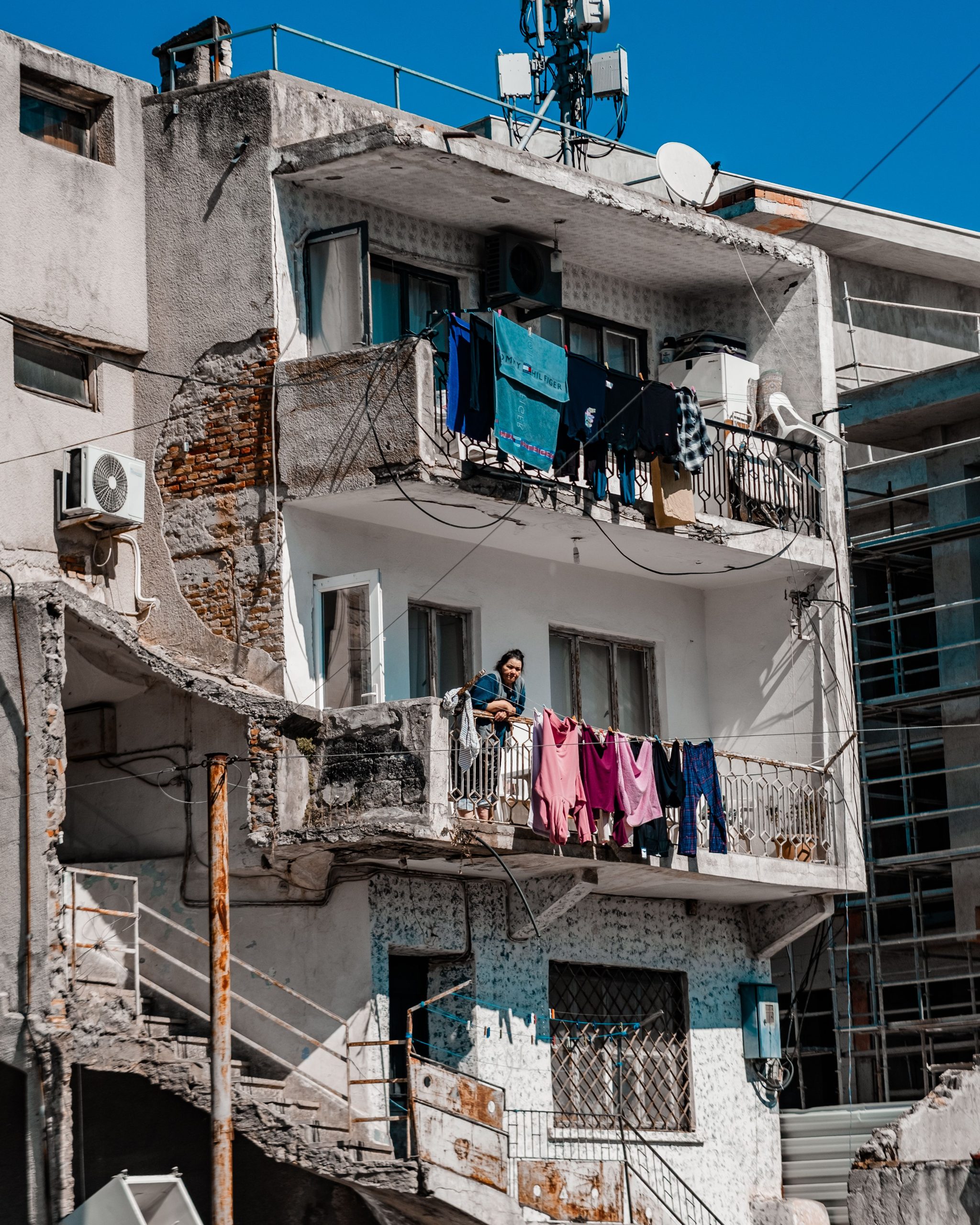
Israel’s cities are vibrant mosaics, combining rich cultural histories, rapid modernization, and complex social dynamics. Like many metropolises worldwide, some neighborhoods grapple with issues such as poverty, unemployment, and higher crime rates, leading to stigmatization or being labeled as “difficult” areas by outsiders.
Neighborhoods Often Referenced in the Context of Socioeconomic Challenges
In major Israeli cities such as Tel Aviv, Jerusalem, Haifa, and others, certain neighborhoods have gained reputations—sometimes stereotypical—that reflect ongoing social and economic struggles. For instance:
- East Jerusalem: This area is often highlighted in discussions about socio-economic disparities, given its unique political and social context.
- Abu Tor and Sur Baher in Jerusalem: These neighborhoods are notable for their dense populations and complex socio-economic profiles.
- Bat Yam and certain parts of south Tel Aviv: Known for increased socio-economic challenges within otherwise thriving urban zones.
Viewing Neighborhoods Through a Broader Lens
It’s important to recognize that labeling neighborhoods as “hood” or “ghetto” can oversimplify the complex identities and histories these areas possess. Many of these neighborhoods are vibrant communities with deep-rooted histories and resilient populations working toward development and improvement.
The Global Perspective on Urban Neighborhoods
Much like Los Angeles’ South Central or Watts, areas in Israeli cities may have gained that reputation due to higher crime rates, socio-economic challenges, or media portrayals. However, these neighborhoods are often also hubs of cultural expression, activism, and community resilience.
Conclusion
Understanding the nuances of urban neighborhoods requires a balanced perspective that recognizes both the challenges and the vibrancy they embody. For those interested in urban studies, social dynamics, or cultural exploration, these neighborhoods offer valuable insights into the complexities of city life in Israel and beyond.
Interested in learning more about the social fabric of Israeli cities? Stay tuned for in-depth analyses and expert perspectives on urban development and community resilience.