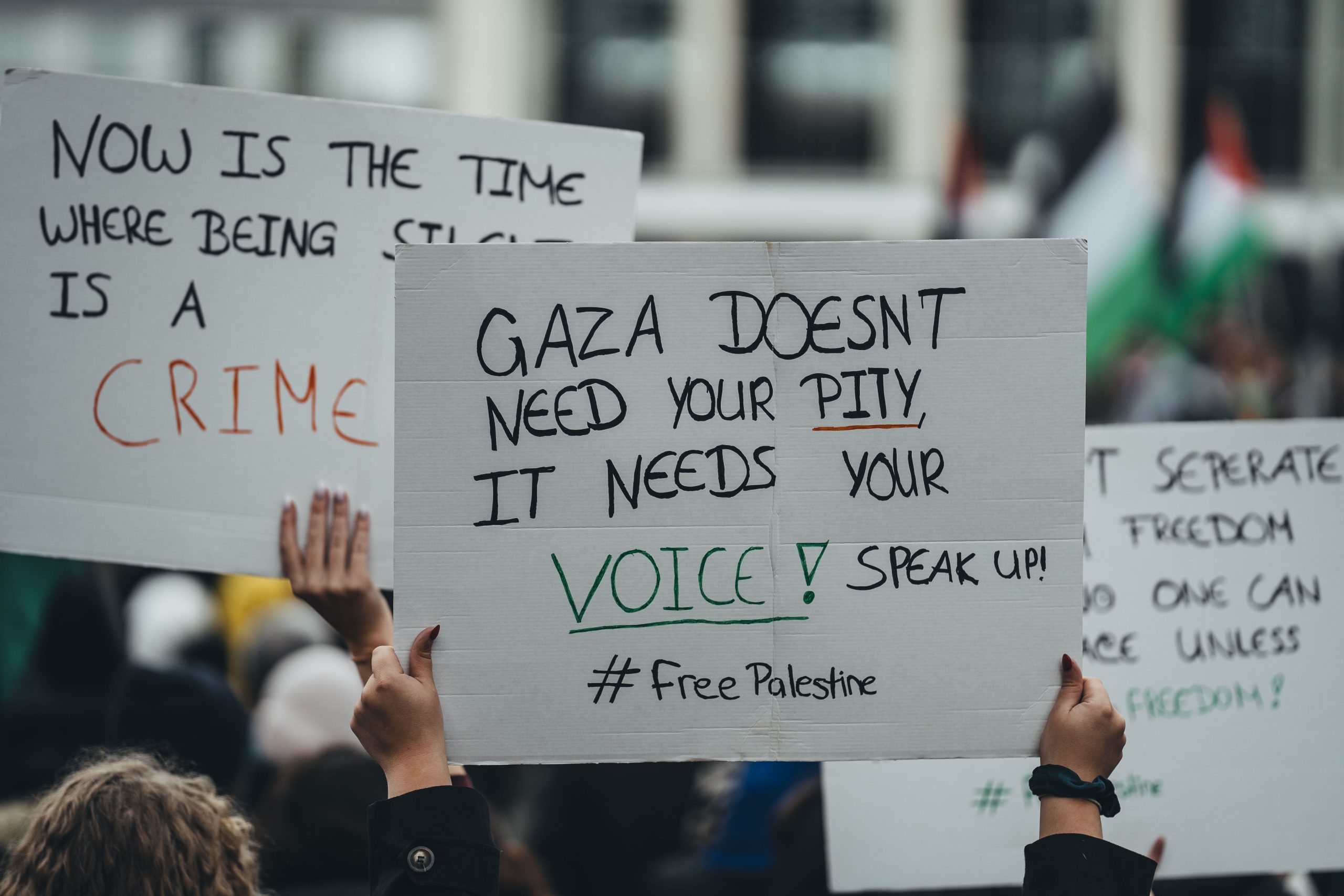
Call for NATO Intervention in Gaza: A Reflection on International Responsibility and Preventive Action
In recent months, escalating violence and widespread human rights violations in Gaza have raised urgent questions about the international community’s role in addressing such crises. Historically, multinational military interventions, particularly those authorized by NATO, have been employed as responses to severe humanitarian crises—most notably during the conflicts in the former Yugoslavia in the 1990s. Drawing from these precedents, there is an ongoing debate about whether similar measures should be considered in the current Gaza conflict.
Historical Precedents and Lessons from the Balkans
During the mid-to-late 1990s, NATO undertook significant military interventions in Bosnia and Kosovo. These operations were driven by the recognition that blatant ethnic cleansing, widespread human rights abuses, and war crimes threatened regional stability and international peace. In Bosnia (1995) and Kosovo (1999), NATO’s airstrikes aimed to halt ongoing atrocities, including genocide and ethnic violence. These interventions sparked international debate but underscored the principle that when national actors commit mass atrocities, international forces have a responsibility to intervene to prevent further suffering.
Applying the Same Logic to Gaza
The current situation in Gaza has been characterized by reports of severe human rights violations, including accusations of war crimes, collective punishment, and potential acts of genocide. The international community faces a critical moral and legal dilemma: when do violations reach a threshold that justifies intervention?
Key considerations include:
– Massive violations of international law
– ** Crimes against humanity
– ** War crimes
– ** Ethnic cleansing
– ** Allegations of genocide
If these assessments hold true, the argument arises that international intervention may be warranted to prevent further atrocities.
The Role of NATO and International Action
NATO’s original mandate was to preserve peace and security among member states, with interventions historically justified on humanitarian grounds beyond its member nations. If the international community deems that ongoing violence in Gaza constitutes a looming humanitarian catastrophe, then invoking principles similar to those used in the Balkans crises becomes a matter of moral responsibility.
The question remains: what purpose does NATO serve if it chooses not to act in the face of such mass atrocities? Should the organization remain passive, or does it have an obligation to uphold international law and human rights standards?
Conclusion
While military intervention is never an easy decision and entails significant risks and consequences, history has demonstrated that proactive measures can sometimes prevent further suffering on an unimaginable scale. The situation in Gaza demands urgent international attention, thorough assessment, and, if warranted, decisive action inspired by the precedents set in the Balkans. Ultimately, the collective security and moral integrity of the international community depend on careful, principled decisions in moments of crisis.
Note: This article aims to provide a balanced perspective on a complex and sensitive issue. The promotion of dialogue, adherence to international law, and respect for human rights remain fundamental to any proposed response.