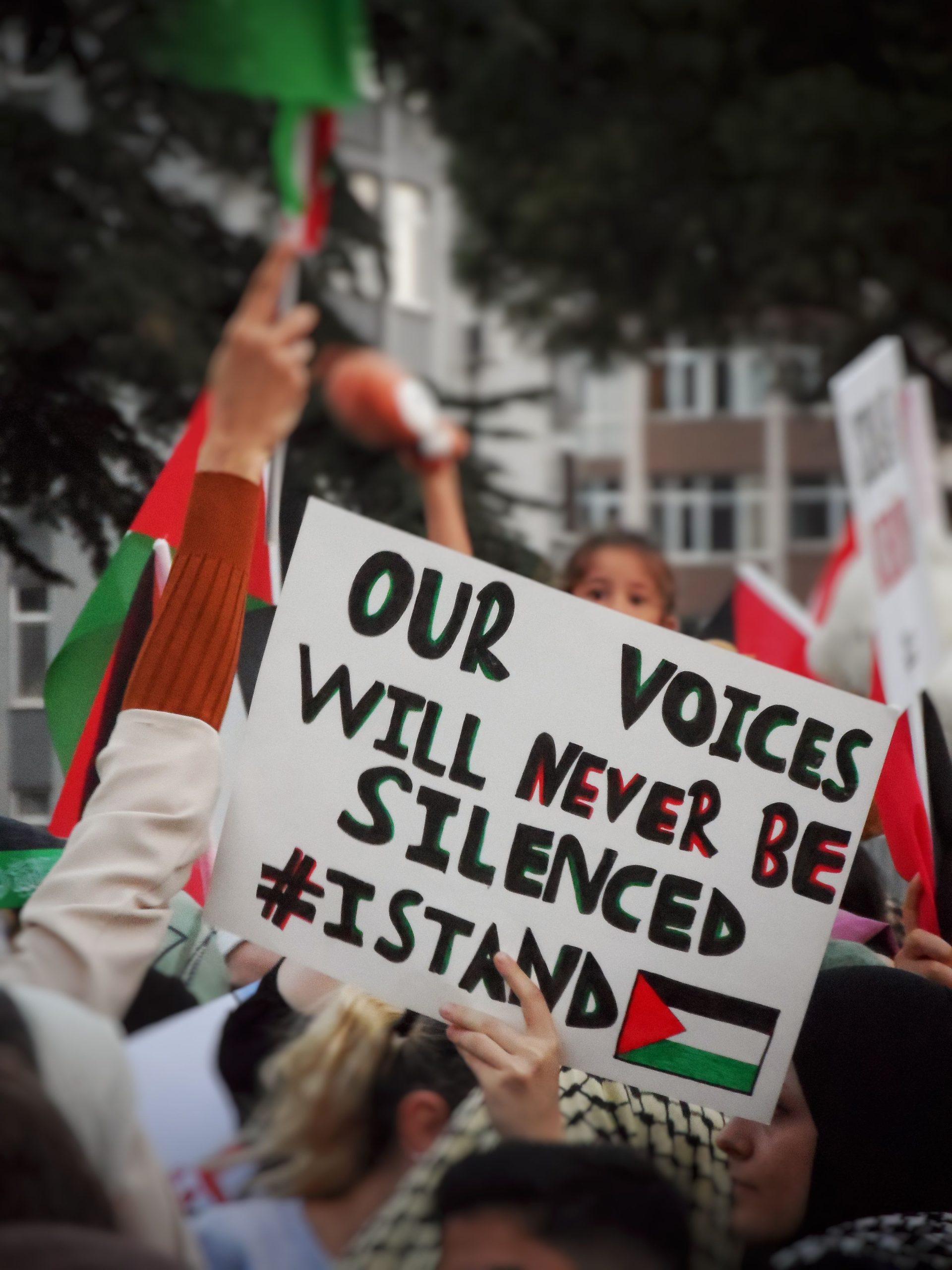
Reevaluating U.S. Support for Israel Amid Gaza Crisis: A Call for Clarity and Accountability
In recent times, fluctuating public opinion in the United States underscores a significant shift in perspectives concerning the ongoing Israeli-Palestinian conflict. Both Democratic and Republican youth demographics are witnessing a decline in support for Israel, driven by mounting concerns over the humanitarian toll and the broader implications of the current strategy.
One of the primary reasons behind this waning support is the growing perception of disproportionate violence and civilian casualties. Extensive reports of loss of life among Palestinian civilians, including children and non-combatants, have ignited widespread criticism. Many now question the narratives presented by Israeli authorities, questioning the legitimacy and proportionality of military actions aimed at neutralizing threats from Hamas.
A critical point of contention is the alleged support that Hamas has received from within Gaza. Skeptics challenge longstanding assertions about Israel’s ability to combat the group, given claims of prior funding links. This complex web of relationships prompts concerns about the cycle of violence: that aggressive military responses might inadvertently fuel the very insurgency they seek to dismantle. The tragic reality is that civilians—especially children—pay the highest price, with some fearing that such violence will only sow the seeds for future conflict and radicalization.
The ongoing hostilities are often characterized as a disastrous and self-perpetuating cycle. The hostage crisis, with a limited number of individuals held by Hamas, has become a focal point of international attention, yet critics argue that targeting entire populations or entire regions for the actions of a few is both ethically unjustifiable and strategically ineffective.
In addition to the immediate conflict, recent revelations from independent media outlets have begun to shed light on complex geopolitical dynamics. Accusations of longstanding support or complicity, particularly involving Israeli policies, are increasingly scrutinized. Concerns about the influence of organizations like AIPAC on U.S. foreign policy suggest that domestic politics may be heavily influenced by interests that do not always align with humanitarian or ethical considerations.
Furthermore, converging investigations have raised troubling questions regarding broader geopolitical issues, including allegations related to figures such as Jeffrey Epstein. Some sources imply that certain parties may possess compromising information related to prominent political figures and child trafficking, with potential implications of diplomatic blackmail and influence operations. These claims, while controversial and needing careful verification, add layers of complexity to the ongoing discourse on U.S. foreign policy and international ethics.
Given these multifaceted concerns—humanitarian, political, and ethical—it is imperative that policymakers, media outlets, and the public critically examine the current trajectory of support for Israel. Transparency, accountability, and a renewed focus on human rights must guide future actions. As the global community watches these developments unfold, the importance of informed debate and ethical responsibility cannot be overstated.
Ultimately, the goal should be to foster a peaceful resolution that respects the rights and dignity of all affected populations, rather than perpetuating cycles of violence and oppression. It is time for collective reflection and a reevaluation of our commitments on the world stage, ensuring that foreign policy aligns with core principles of justice and human compassion.