A Cautious Reminder: Respectful Communication with Friends in Sensitive Contexts
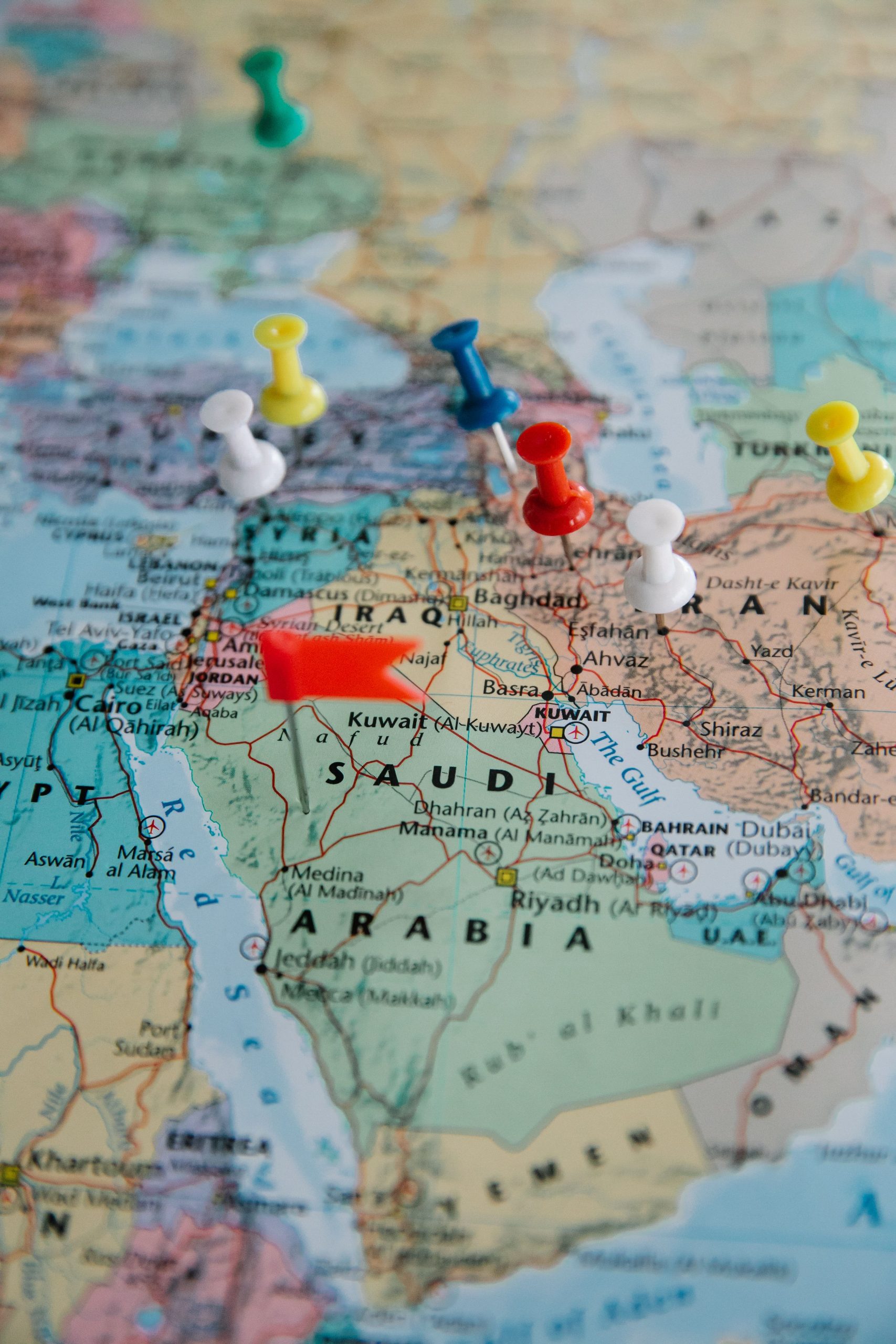
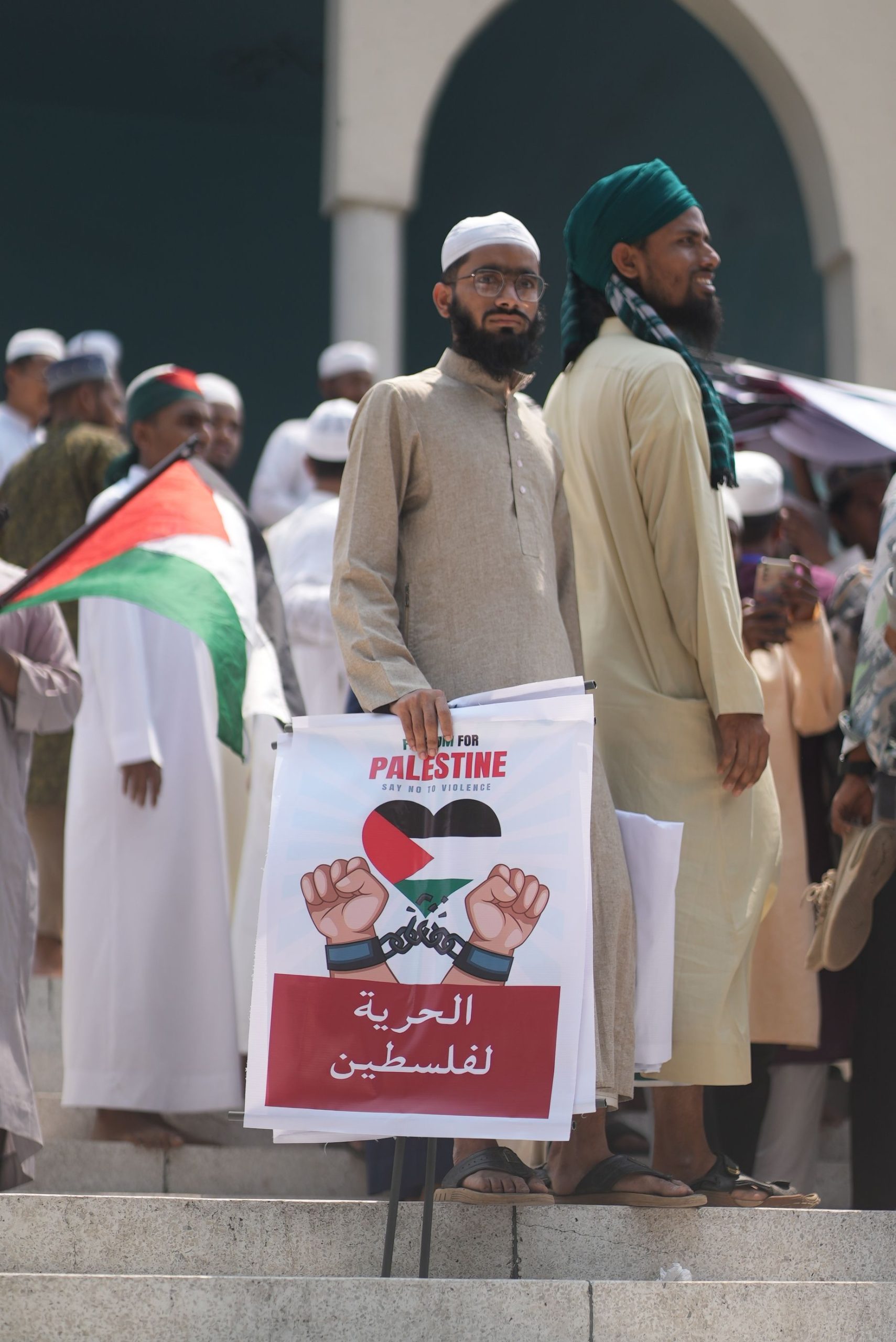
In an increasingly interconnected world, maintaining communication with friends and loved ones across different regions can be both rewarding and challenging, especially when geopolitical tensions and local surveillance are involved. If you have friends in Palestine, it’s crucial to approach conversations with sensitivity and awareness of their unique circumstances.
Understanding the Risks of Sensitive Topics
Many individuals residing in Palestine live under constant surveillance. In some areas, communications—be it calls, texts, or even spoken conversations—are monitored around the clock. Asking about political topics, such as opinions on Hamas or resistance movements, can inadvertently put your friend at risk. For example, a typical question like, “How do you feel about Hamas?” could cause serious repercussions for someone who is vulnerable or perceived as disloyal by authorities.
It’s important to recognize that your friends may face danger simply for expressing their feelings or views. Their safety depends on your awareness and discretion during conversations.
Focusing on Neutral, Everyday Topics
To foster supportive dialogue without endangering your friends, steer away from politically sensitive subjects. Instead, consider discussing commonplace matters like the weather, local markets, food, clothing, or daily routines. Asking if a nearby market is accessible, how their internet connection is performing, or whether they’re feeling tired can show genuine care without risking harm.
Expressing empathy and support can also be meaningful. Simple gestures, such as telling them you’re thinking of them or sharing news about protests or solidarity events happening elsewhere, can bolster their spirits without intruding on their personal safety.
Personal Boundaries and Cultural Sensitivity
Everyone has personal boundaries, often shaped by their environment and experiences. You might feel uncomfortable discussing personal details like meals, pets, or health, and that’s okay. Respect your friend’s comfort levels and avoid pressing into topics they might find vulnerable or unsafe to discuss.
Instead, explore shared interests, such as books, movies, music, or hobbies. These subjects can foster meaningful connection without risking their security.
Practical Tips for Communicating Safely
- Ask open-ended, neutral questions: “Have you read any good books lately?” or “How’s the weather today?”
- Avoid political or resistance-related inquiries: Refrain from asking about their opinions on ongoing conflicts or resistance movements.
- Show solidarity indirectly: Mention global protests or support initiatives in your area to let them know they’re in your thoughts.
- Be aware of surveillance: Recognize that certain questions or topics could be monitored, making it essential to choose words carefully.
A Word of Caution
For those in Gaza or other sensitive regions, be cautious when discussing resistance or political movements. Conversations about such topics might attract unwanted attention from surveillance entities, such as intelligence agencies.
Reflecting on the Emotional Toll
It’s understandable that navigating these conversations feels frustrating or unfair—nobody should have to censor their feelings or avoid topics for safety reasons. Nevertheless, prioritizing your friends’ safety is paramount. Thoughtful, respectful communication can help maintain trust and support during difficult times.
Conclusion
In times of conflict and uncertainty, careful and considerate communication becomes an act of solidarity. Focus on connecting through everyday topics, expressing support indirectly, and respecting boundaries. By doing so, you can offer comfort and companionship without risking your friends’ safety.
What strategies have you found effective when talking to friends in sensitive or monitored environments? Share your insights below.