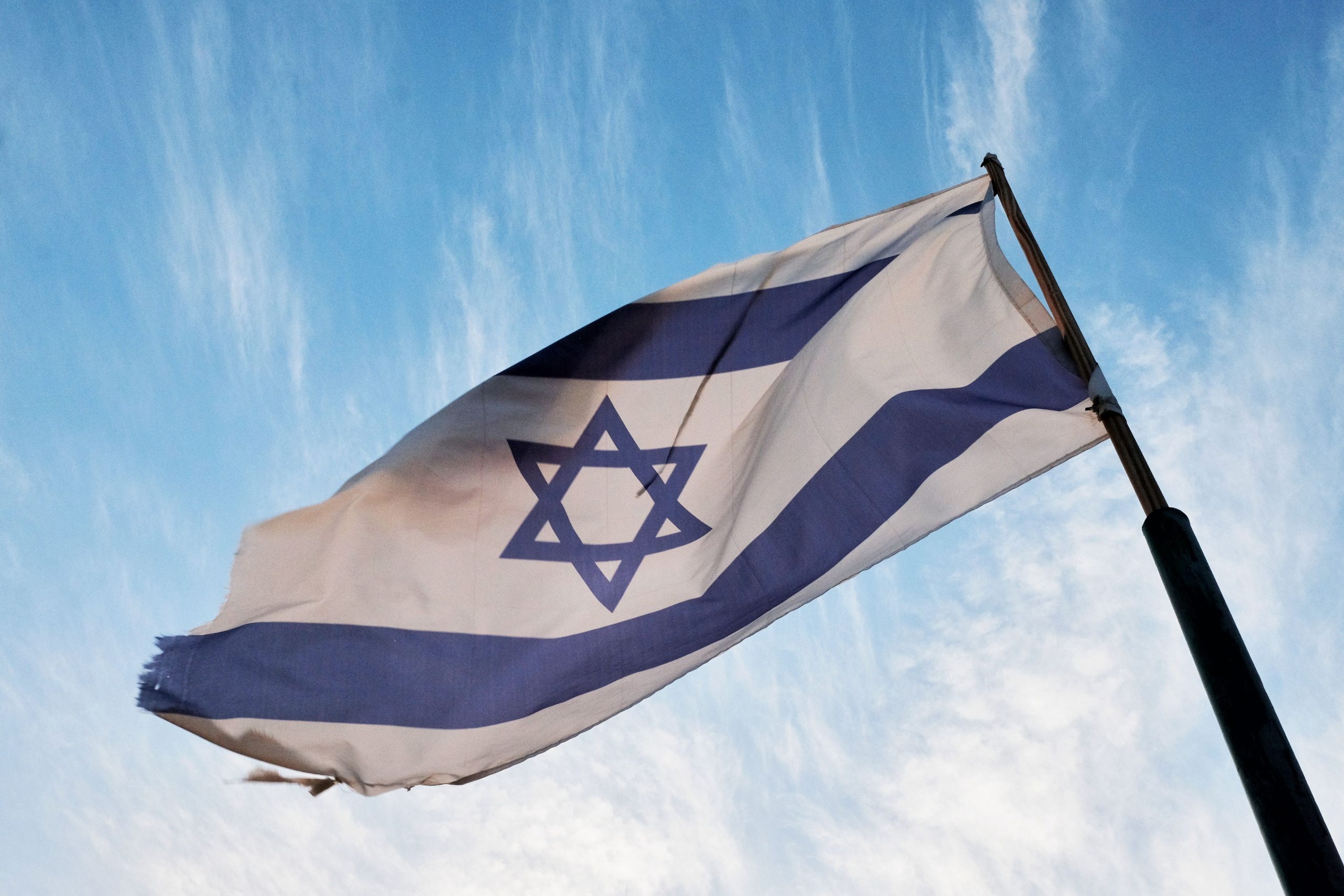
Understanding Perspectives on Zionism in Israel: A Cultural and Political Overview
In examining the complex landscape of Israeli society, one of the most debated words is “Zionism.” Like many nationalistic concepts, its interpretation and significance vary across different groups within Israel, prompting a nuanced discussion about identity, history, and political orientation.
To draw a parallel, consider the term “patriot” in the United States. Patriotism generally signifies a love for one’s country and a desire for its well-being. However, even within the U.S., perceptions of what constitutes true patriotism can differ markedly. Some individuals see patriotism as unwavering support for the nation’s government and policies, while others interpret it as advocating for values that uphold democracy and civil liberties. This diversity of viewpoints often leads to vibrant debates about who genuinely embodies the spirit of patriotism.
Similarly, in Israel, the term “Zionism” encompasses a broad spectrum of beliefs and interpretations. At its core, Zionism historically represented the movement for the establishment and support of a Jewish homeland in Palestine. Over time, however, “Zionism” has acquired multiple layers of meaning embedded in religious, political, and cultural contexts.
Many Israelis identify as “Zionist” in some form, yet the precise understanding of what “real Zionism” entails continues to be a matter of debate. Some argue that Zionism remains a foundational national principle guiding Israel’s existence and policies. Others view it through a more critical lens, questioning its implications for peace and coexistence with Palestinians, or its applicability in contemporary society.
Moreover, there are perspectives that suggest Zionism has become part of Israel’s collective cultural memory—a foundational narrative that influences societal identity and values but holds less sway in day-to-day political decision-making. In this view, Zionism exists as a guiding idea rather than an active policy force.
It is important to recognize that, unlike the American ideal of the “American Dream,” which is largely a cultural and aspirational concept, Zionism carries deep historical, religious, and political significance that continues to shape Israeli society and its regional policies.
In summary, the term “Zionism” in Israel is not monolithic. It reflects a tapestry of beliefs, histories, and political stances, with ongoing dialogues about its meaning and implications. Understanding these diverse perspectives offers valuable insights into the nation’s complex identity and the ongoing evolution of its societal values.