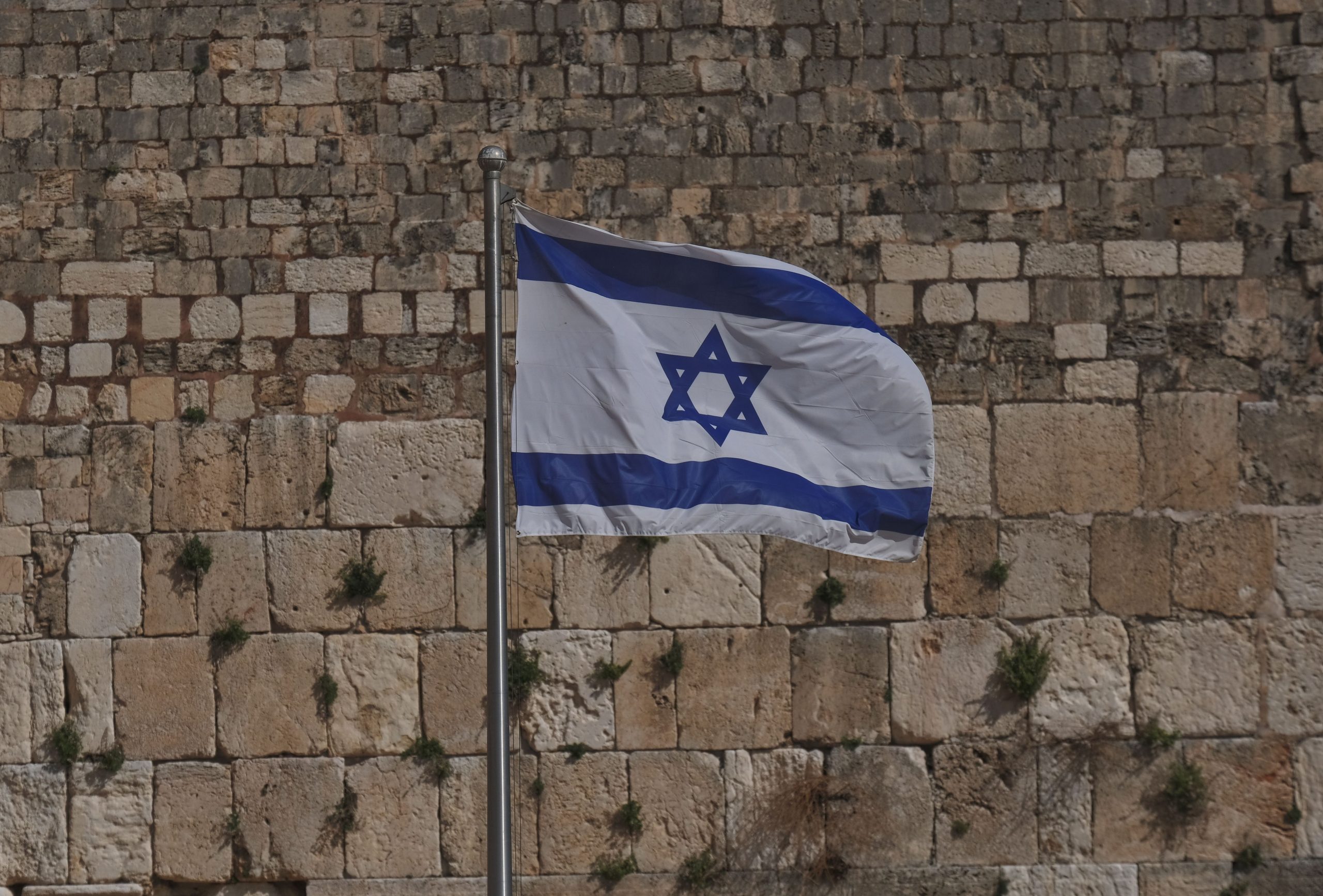
Guidance for Westerners Seeking In-Depth Understanding of Israel, Its Domestic Issues, and Its Historical and Current Conflicts
In an age where information is readily accessible yet often unreliable or superficial, gaining a nuanced understanding of complex issues like Israel and its myriad challenges can be daunting—especially for young people. As often remarked, many young individuals turn to platforms like TikTok for news, which, while convenient, may lack depth and accuracy. This raises an important question: where should those seeking knowledge turn to develop a well-rounded perspective on Israel’s society, politics, and history?
The Need for Credible and Comprehensive Resources
To foster an informed understanding, it’s essential to consult a variety of reliable sources that encompass different viewpoints and disciplines. No single outlet can provide a complete picture; instead, a diverse approach is paramount.
Recommended Resources and Approaches
1. Reputable News Organizations
Established international and regional news outlets are vital for current events and initial overviews. Recommended sources include:
– The Associated Press (AP), Reuters, and BBC: For balanced reporting on daily developments.
– Haaretz and The Times of Israel: Offer in-depth coverage and analysis from within Israel, often with diverse perspectives.
– Al Jazeera and The Guardian: Provide regional insights and investigative journalism that contextualize conflicts.
2. Academic and Scholarly Publications
Academic institutions and think tanks produce research that dives into the historical, political, and social nuances of Israel and the broader Middle East:
– University and Think Tank Reports: Organizations like the Council on Foreign Relations (CFR), Chatham House, and Brookings Institution publish insightful analysis.
– Journals: Publications such as Middle East Journal, Journal of Israeli Studies, and Israel Studies offer peer-reviewed articles.
– Books by Credible Historians: Works by scholars such as Benny Morris, Anita Shapira, and Ilan Pappé provide historical context and diverse perspectives.
3. Documentaries and Visual Media
Visual storytelling can enrich understanding:
– Documentaries by reputable filmmakers like The Gatekeepers or PBS Frontline reports offer in-depth looks at various facets of Israeli society and conflicts.
– Academic lectures and discussions available on platforms like YouTube from universities or think tanks.
4. Independent and Investigative Journalists
Independent journalists often cover stories that mainstream outlets may overlook:
– Follow journalists like Ali Abunimah or Ben Caspit for diverse insights.
– Platforms such as Substack host independent newsletters offering detailed analyses.
5. Human Rights and Advocacy Groups
Organizations actively documenting human rights issues and conflicts include:
– B’Tselem
– Human Rights Watch
– Amnesty International
Their reports provide perspectives on human rights concerns and aid in understanding the human impact of ongoing conflicts.
6. Academic Programs and Courses
Many universities and online platforms (e.g., Coursera, EdX) offer courses on Middle Eastern history, Israeli politics, and conflict resolution taught by experts in the field.
Cultivating a Critical and Diverse Perspective
Encouraging young learners to consult multiple sources, verify information, and understand differing viewpoints is essential. Engaging with primary sources, scholarly debates, and firsthand accounts helps develop a comprehensive and informed perspective.
Conclusion
Understanding a complex and sensitive topic like Israel requires deliberate effort and exposure to a variety of credible resources. By diversifying where they get their information—combining reputable news outlets, scholarly research, independent journalism, visual media, and reports from human rights organizations—young people can cultivate a well-informed viewpoint and contribute thoughtfully to discussions on this multifaceted subject.