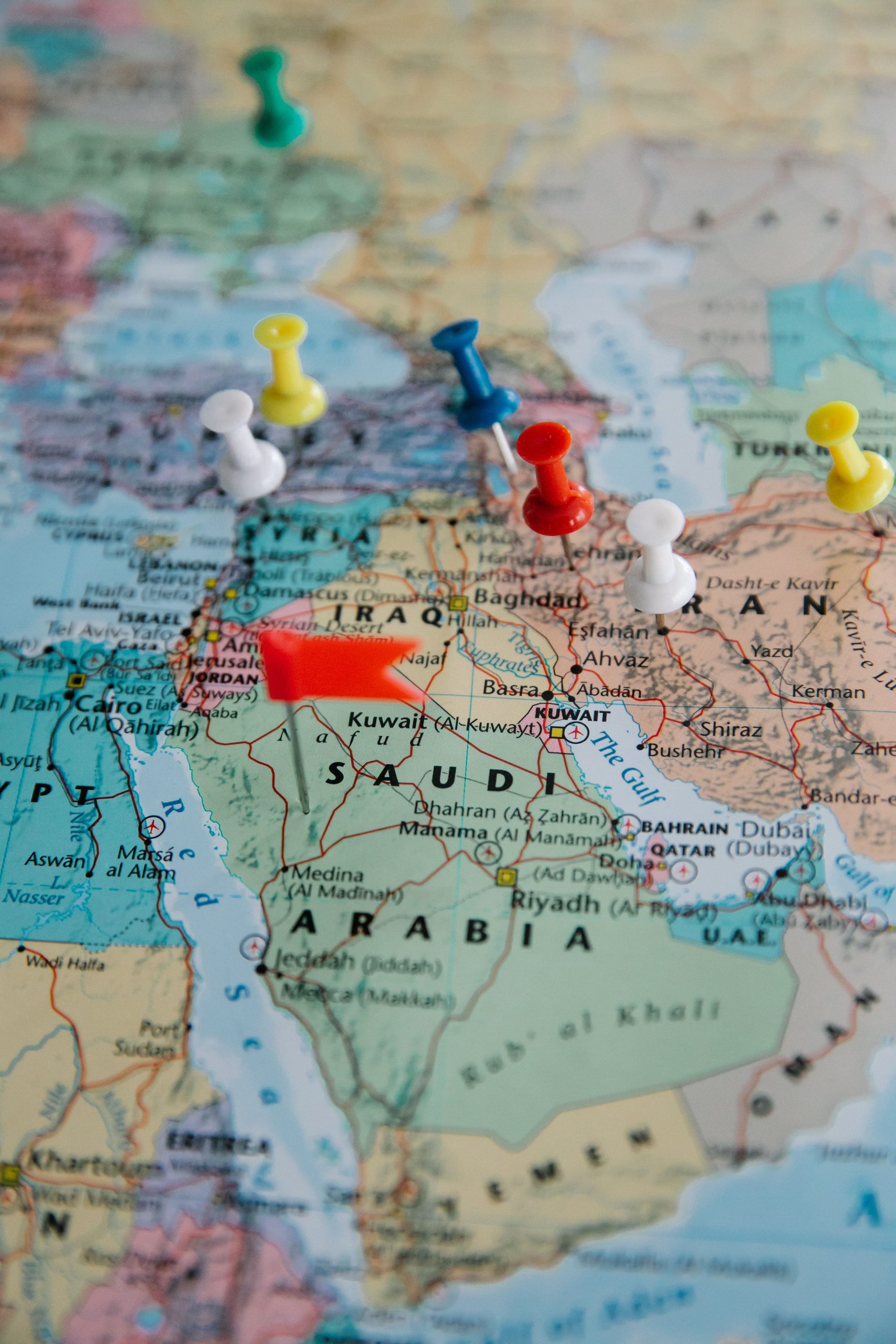
Understanding the Strategic Benefits of Peace with Israel for Saudi Arabia in Addressing the Houthi Threat
In recent discussions surrounding regional security, a common question has emerged: how could establishing peace and formal diplomatic relations with Israel—such as through the Abraham Accords—assist Saudi Arabia in managing the persistent threat posed by the Houthis in Yemen? While it might seem tangential at first glance, the answer lies in leveraging international partnerships to bolster military capabilities, especially in modern warfare technologies.
This perspective emphasizes that synchronized cooperation involving the United States, Israel, and Saudi Arabia could significantly enhance the latter’s defensive and offensive capacities. Specifically, it would entail granting Saudi Arabia similar “premium access,” currently enjoyed by the United Arab Emirates, to Israeli and US energy and defense industries. This access would facilitate the transfer of advanced technologies, expertise, and operational support necessary for developing indigenous military drone manufacturing capabilities.
Technological Transfer and Local Skill Development
Drawing from my background as a nuclear engineer with five years of experience in Generation IV nuclear research in Canada, I have observed firsthand the transformative role that technology transfer and skill development play in modern militaryization. Over the past two months, I have been studying First-Person View (FPV) drones, motivated by the desire to join the Ukrainian military as a drone operator. Ukraine’s success in resisting Russian advances over four years is largely attributed to their mass production and deployment of low-cost, effective military drones—including reconnaissance, interception, and attack variants. With the capacity to produce up to 10 million drones annually, Ukraine exemplifies how innovative, affordable drone technology can counter larger, conventional forces.
The Cost-Effective Advantage of Drones
In recent conflicts, Russia launched approximately 8,000 Iranian-made Shahed drones in a single campaign, with Ukraine managing to intercept roughly 91%, often using low-cost interception drones costing between $2,000 and $5,000 each. In contrast, high-cost missile defense systems like Patriot batteries are deployed selectively for high-value targets. This demonstrates that deploying and mass-producing inexpensive, adaptable drones can effectively neutralize more expensive missile systems and traditional militaries.
Implications for Saudi Arabia’s Military Modernization
Saudi Arabia’s current military budget stands around $80 billion, predominantly allocated towards conventional forces such as tanks and aircraft. However, the evolution of warfare—particularly the rise of unmanned aerial vehicles (UAVs)—necessitates a strategic pivot. Iran, with a military expenditure roughly one-tenth of Saudi Arabia’s budget, has became proficient in modern, UAV-centric tactics, allowing its proxies in various Arab states to leverage drone warfare to overpower traditional armies.
To counter this asymmetry, Saudi Arabia must prioritize the development of a domestic drone manufacturing industry. Achieving this involves acquiring the technological know-how—preferably from Ukraine or similar centers of innovation—through strategic collaborations enabled by alliances such as the Abraham Accords. Access to Israeli and US defense firms can facilitate the building of local drone production facilities, with transfer of expertise to train technicians and engineers. This approach would not only modernize Saudi Arabia’s military capabilities but also foster self-reliance and technological sovereignty.
Conclusion
In summary, peace with Israel—fostered through the Abraham Accords—can serve as a catalyst for Saudi Arabia’s military modernization by granting access to advanced defense technologies and expertise. The focus on developing affordable, indigenous drone capabilities aligns with contemporary warfare trends and can substantially strengthen Saudi Arabia’s position against Iran-backed Houthi insurgents in Yemen. Ultimately, strategic technological partnerships are essential for Saudi Arabia to upgrade its defense infrastructure and ensure regional stability.