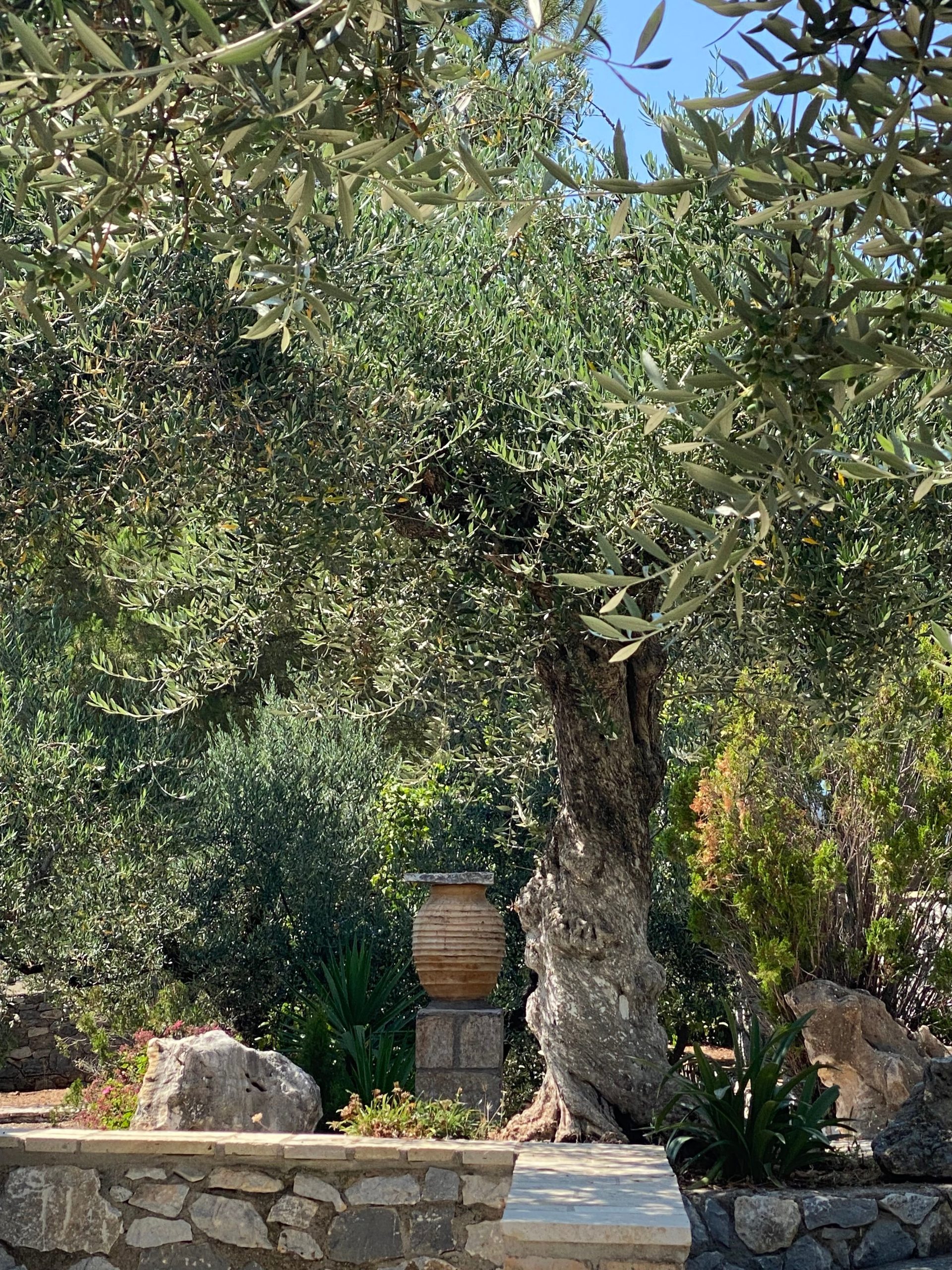
The Impact of Olive Tree Destruction on Local Ecosystems and Communities
Olive trees hold a profound significance in the cultural, ecological, and economic landscapes of regions where they thrive, particularly in the Eastern Mediterranean. These venerable trees often stand for centuries, symbolizing resilience, peace, and sustainable livelihoods. However, in recent years, a troubling trend has emerged: the systematic destruction of olive groves by various parties, including settlers and other actors, raising concerns about environmental health, cultural heritage, and social cohesion.
Ecological and Cultural Importance of Olive Trees
Olive trees are more than just agricultural commodities; they are integral to the local ecosystems. These hardy trees contribute to soil stabilization, support biodiversity, and play a vital role in maintaining the ecological balance of arid and semi-arid regions. Culturally, they embody centuries of tradition, serving as symbols of perseverance and identity for the communities that have cultivated them for generations.
Recent Trends in Tree Destruction
Despite their importance, numerous reports have documented the widespread destruction of olive groves, often through malicious acts such as deliberate arson, uprooting, and deforestation. These actions frequently occur in territories with ongoing land disputes, where access to and control over land resources are highly contested.
The motives behind such destruction can vary, including attempts to assert territorial dominance, economic gain, or to displace populations. Unfortunately, the impact extends beyond mere loss of trees; it results in environmental degradation, erosion of cultural heritage, and deepens social tensions among communities.
Implications for Local Communities and the Land
The removal of olive trees adversely affects both Israeli and Palestinian communities, hindering agricultural livelihoods, diminishing biodiversity, and damaging the land’s overall health. For local farmers, these trees are often a source of income and sustenance; their loss can lead to economic hardship and increased food insecurity.
Furthermore, the environmental repercussions, such as reduced land fertility and increased vulnerability to erosion, underscore the importance of protecting these cherished trees. The destruction of olive groves is not merely an environmental issue but also a cultural and political challenge, reflecting deeper conflicts over land rights and identity.
Conclusion
Preserving olive groves is essential for maintaining ecological integrity and cultural continuity in the region. Efforts to protect these trees require coordinated actions from local communities, governments, and international organizations. Recognizing the multifaceted importance of olive trees can help foster a collaborative approach towards safeguarding these invaluable natural and cultural resources for future generations.