Understanding the Structure of the Western Wall: An Informative Overview
The Western Wall, also known as the Kotel, stands as one of the most significant and iconic religious and historical sites in Jerusalem. Many visitors and enthusiasts seek to understand its current structure, especially considering its extensive length and complex surroundings. This article aims to clarify the layout, extent, and context of the Western Wall for those interested in its history and architecture.
The Western Wall’s Extent and Visibility
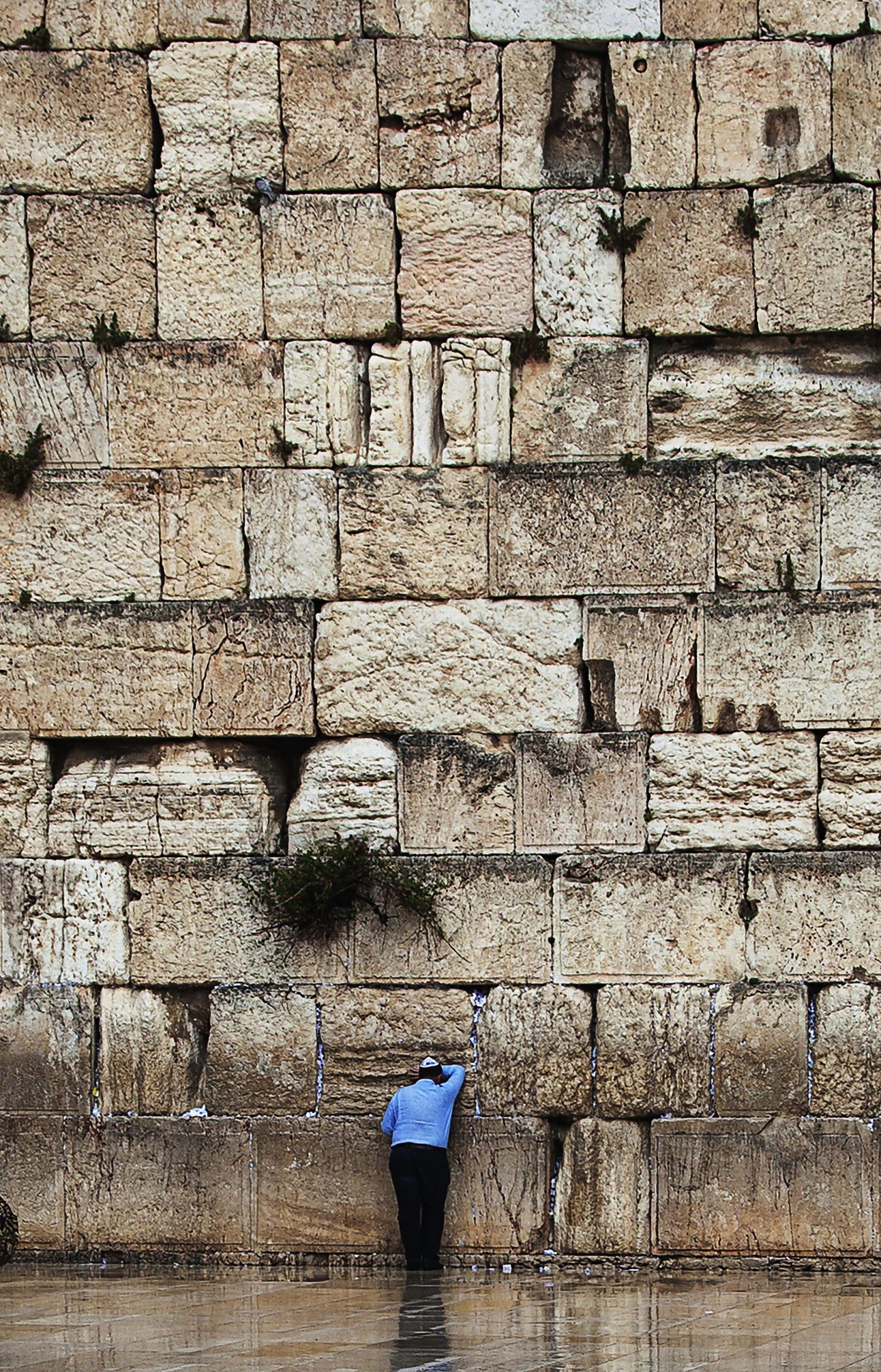
The Western Wall originally was part of the ancient Second Temple’s retaining wall, built to support the expansive platform known as the Temple Mount. Today, approximately 187 feet (about 57 meters) of this wall are visible and accessible to visitors. This exposed section comprises the segment adjacent to the Wailing Wall Plaza, where worshipers gather for prayer and reflection. The remaining structure extends for about 1,413 feet (roughly 430 meters), much of which is not visible from the current public areas.
What Lies Behind and Above the Visible Wall?
Beyond the publicly accessible section, much of the Western Wall is integrated into the urban fabric of Jerusalem. This means that parts of the wall are adjacent to, or even partially embedded within, nearby residential and commercial buildings. It is important to understand that these buildings are not constructed directly atop the wall itself but are built close to or around the remaining structure of the wall.
Residential and Commercial Structures
In the vicinity of the Western Wall, especially along its extended length, there are residential houses and other buildings. These structures are part of the city’s historical fabric and are not inhabited or built on top of the wall itself. Instead, they are positioned alongside it, often forming part of the complex urban environment that surrounds this sacred site.
Is the Western Wall a Continuous, Walk-Through Structure?
The Western Wall is primarily a retaining wall, designed to hold back the earth of the Temple Mount platform. It is not a structure you can walk through or enter like a typical building. Instead, it functions as a massive, ancient stone barrier. Visitors approach, pray, and sometimes leave written notes in its crevices, but do not typically enter or traverse inside the wall itself. The section most visitors see is the exposed portion in the Wailing Wall Plaza, which serves as a place of prayer and pilgrimage.
The Rest of the Wall
The remaining sections of the wall extend underground or are enveloped by modern buildings. Because of urban development and the historical layering of Jerusalem, much of the wall’s length is not visible or accessible to the public. Researchers and archaeologists study these parts through excavations and historic records, but the general visitor only witnesses the publicly accessible segment.
Conclusion
In summary, the Western Wall is a vast, ancient retaining wall with only a fraction visible today. The exposed portion in the Wailing Wall Plaza is just a small segment of a much longer structure that runs beneath or alongside modern buildings. Rather than being part of ordinary houses or structures you can enter, the wall is a monumental, sacred relic that forms an essential part of Jerusalem’s historical and spiritual landscape.
For those interested in visiting, understanding this context can enrich your experience and appreciation of this remarkable site. Your curiosity and desire to learn are commendable, and I hope this overview helps clarify the complex and fascinating structure of the Western Wall.