Understanding the Political Landscape of Israel: An Overview of Voting Patterns and Regional Influences
In many democracies around the world, regional voting behaviors often reflect socio-economic, cultural, and historical factors. Typically, urban centers tend to lean toward progressive or left-leaning parties, while rural areas often favor conservative positions. Wealthier suburban regions frequently display more liberal tendencies, influenced by their socio-economic status. This pattern can be observed in various countries, including Germany, where southern regions tend to vote conservatively, eastern areas have increasingly shifted towards right-wing populism, and university towns often support green or progressive parties.
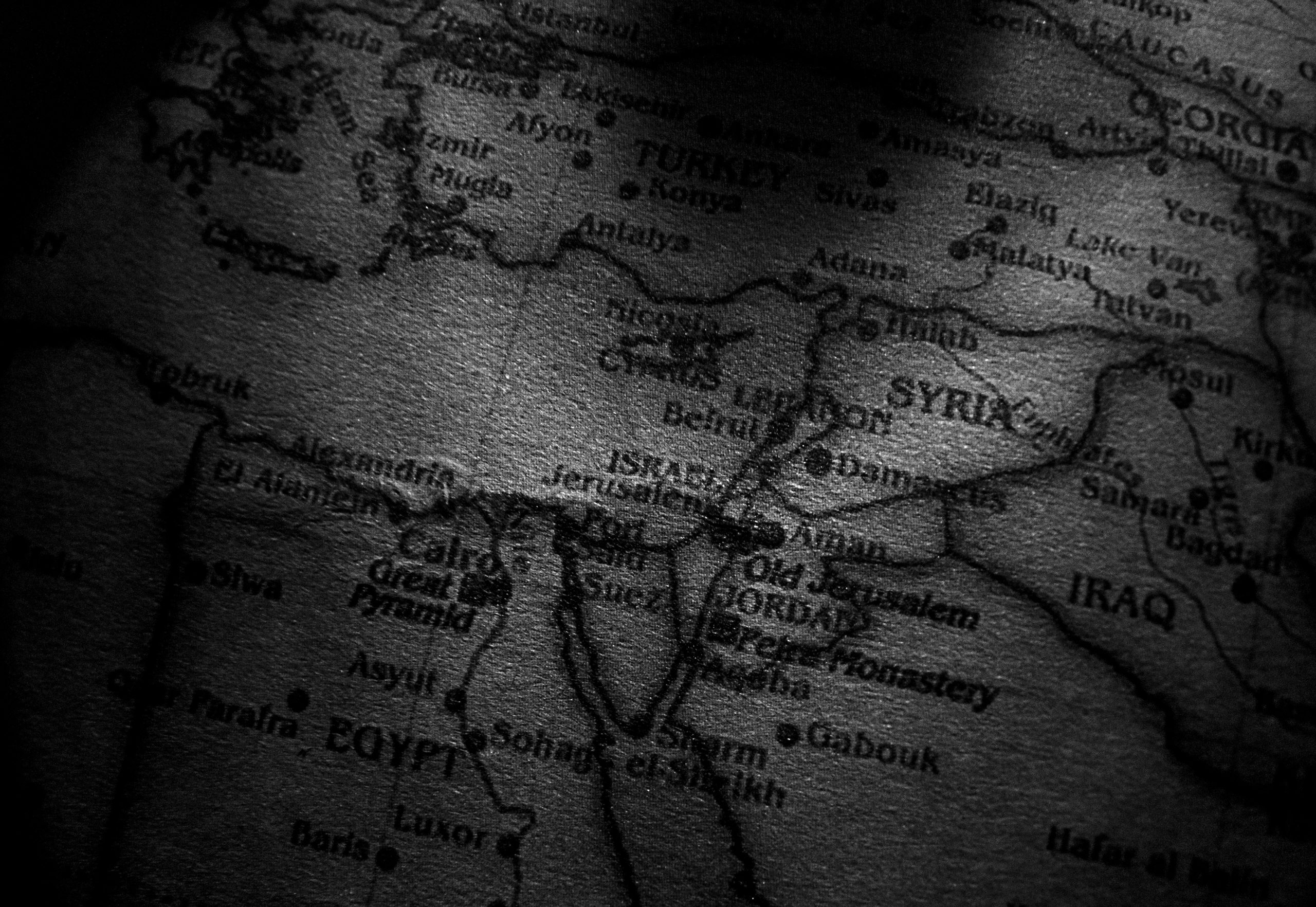
Exploring Israel’s Political Map
Israel’s political landscape, however, presents a complex and dynamic picture that challenges straightforward regional generalizations. The country’s diverse population, historical context, and security concerns make its electoral behavior uniquely intricate.
Regional Voting Trends and Party Strongholds
-
Urban vs. Rural Divisions: Major cities like Tel Aviv, known for their vibrant, liberal communities, tend to favor center-left and progressive parties. Conversely, many rural and settlement-heavy areas in the West Bank and agricultural regions often support right-wing and nationalist parties, reflecting local concerns and ideological leanings.
-
Historical Party Bases: The Labor Party, once a dominant force, traditionally drew support from urban centers and the working class, though its influence has waned in recent decades. Right-wing parties such as Likud have established strongholds across various regions, particularly in the north and in settlement communities.
-
Arab and Minority Voting Patterns: Arab-majority areas predominantly support Arab political parties, although voter turnout and party preferences can vary, influenced by socio-economic factors and political issues.
The Role of Ideology, Security, and Society
Unlike some countries where economic demographics largely shape voting patterns, Israel’s security concerns, national identity issues, and religious influences significantly impact electoral outcomes. These complex factors can result in a political map that defies simple regional traits, with support for various parties often intersecting multiple identities and interests.
Is Israel Too Unpredictable for Clear Patterns?
While some broad regional tendencies exist, Israel’s political terrain remains relatively volatile and multifaceted. Coalition governments, shifting alliances, and the impact of ongoing regional tensions contribute to an electoral landscape that resists uniform classifications.
Conclusion
Israel’s political landscape is characterized by a blend of regional strongholds, ideological divides, and societal influences that shape voting patterns in nuanced ways. While some parallels can be drawn with broader international trends, the country’s unique context ensures that its political map remains a complex and fascinating subject for both analysts and observers.
By understanding these regional and socio-political dynamics, one gains deeper insights into Israel’s vibrant democracy and the forces that shape its political future.