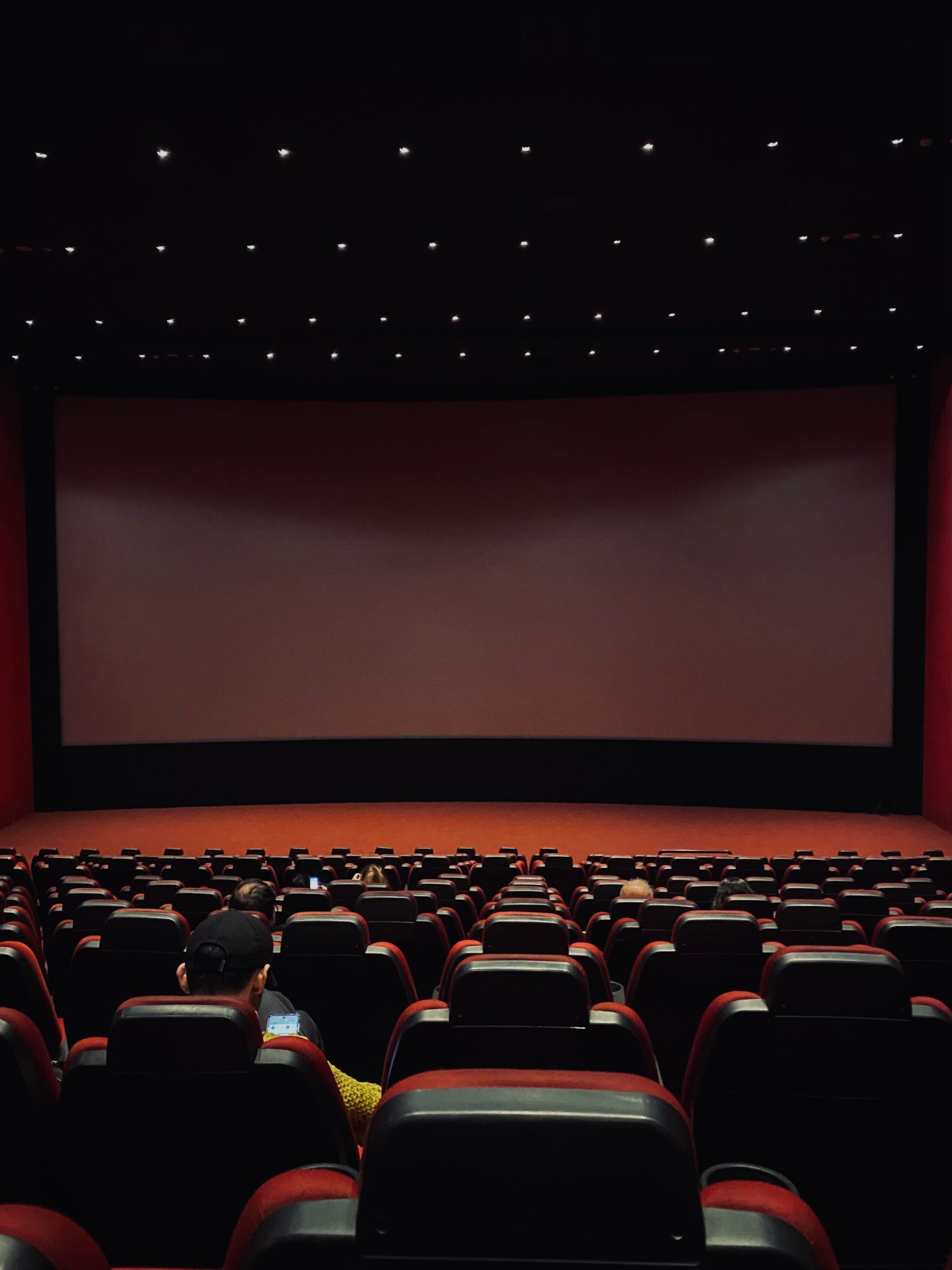
Understanding Movie Theater Etiquette: Is This the New Norm in Israel?
Relocating to a new country often comes with surprises—cultural differences, new customs, and sometimes, unexpected social norms. As someone recently moved to Israel for an extended stay, I’ve been immersing myself in local routines and traditions. Recently, I attended a movie screening of Supergirl, and the experience left me contemplating the differences in movie theater etiquette compared to what I’m accustomed to in the United States.
During the screening, I observed a variety of behaviors that I hadn’t encountered before, including audience members using their phones openly—one person even took a selfie with flash during the film. There was ongoing conversation throughout the movie, and at one point, two children ran through the theater and stands, playing catch with a popcorn bucket before eventually dancing in front of the screen. Staff intervened to remove the children, but the other behaviors persisted.
Coming from a culture where movie theaters are generally viewed as spaces for focused entertainment, these experiences prompted me to wonder: Are such behaviors typical in Israeli cinemas? Is this just an unusual night characterized by a particularly lively group of viewers, or do these actions reflect a broader cultural norm?
Cultural differences in public behavior, especially in entertainment venues, can be vast. In the United States, there tends to be a strong emphasis on courtesy and respecting fellow moviegoers—cell phones are typically silenced or put away, talking is discouraged, and disruptive behavior is often swiftly addressed. However, in different countries, social norms surrounding public gatherings can vary, sometimes leading to more relaxed or rowdy atmospheres.
It’s important to approach these differences with an open mind. For visitors and expatriates, understanding and adapting to local customs can enhance the experience and foster greater cultural appreciation. That said, it’s also valid to expect a certain level of decorum, especially in shared spaces designed for entertainment.
In conclusion, my initial experience in the Israeli movie theater reflected a more laid-back or perhaps more expressive environment. Whether this is a temporary anomaly or indicative of a broader cultural trait remains to be seen. As I spend more time here, I look forward to gaining a deeper understanding of local norms and finding a comfortable way to enjoy movies in this new setting.
Have you experienced similar differences in entertainment venues abroad? What are your thoughts on adapting to local customs versus maintaining personal standards of conduct? Share your experiences and insights in the comments below.