Understanding the Shift: A Personal Reflection on Moving Away from Israel
In recent months, I have reached a turning point that compels me to reevaluate my living situation and my sense of identity within Israel. My decision to leave is rooted in a profound moral and ethical concern: I can no longer uphold the ideals of living in a society that increasingly embodies elements of racism and fascism reminiscent of darker historical periods.
Throughout my life, I have responded to questions such as, “If you disagree with Israel’s policies, why do you still live there?” by explaining that I was born here, that my family lives here, and that I don’t know another homeland. I also acknowledged the challenges of residing elsewhere, including the notion that the United States faces its own moral dilemmas and geopolitical issues. However, recent developments have fundamentally altered my perspective.
My background is rooted in an Orthodox Jewish upbringing within a Zionist framework. I was taught to believe that Jews are the native inhabitants of this land, viewing Palestinians—often dismissively—as invaders destined to be expelled or relegated to secondary citizenship. This narrative, deeply ingrained in me, has been challenged by witnessing the escalating realities on the ground.
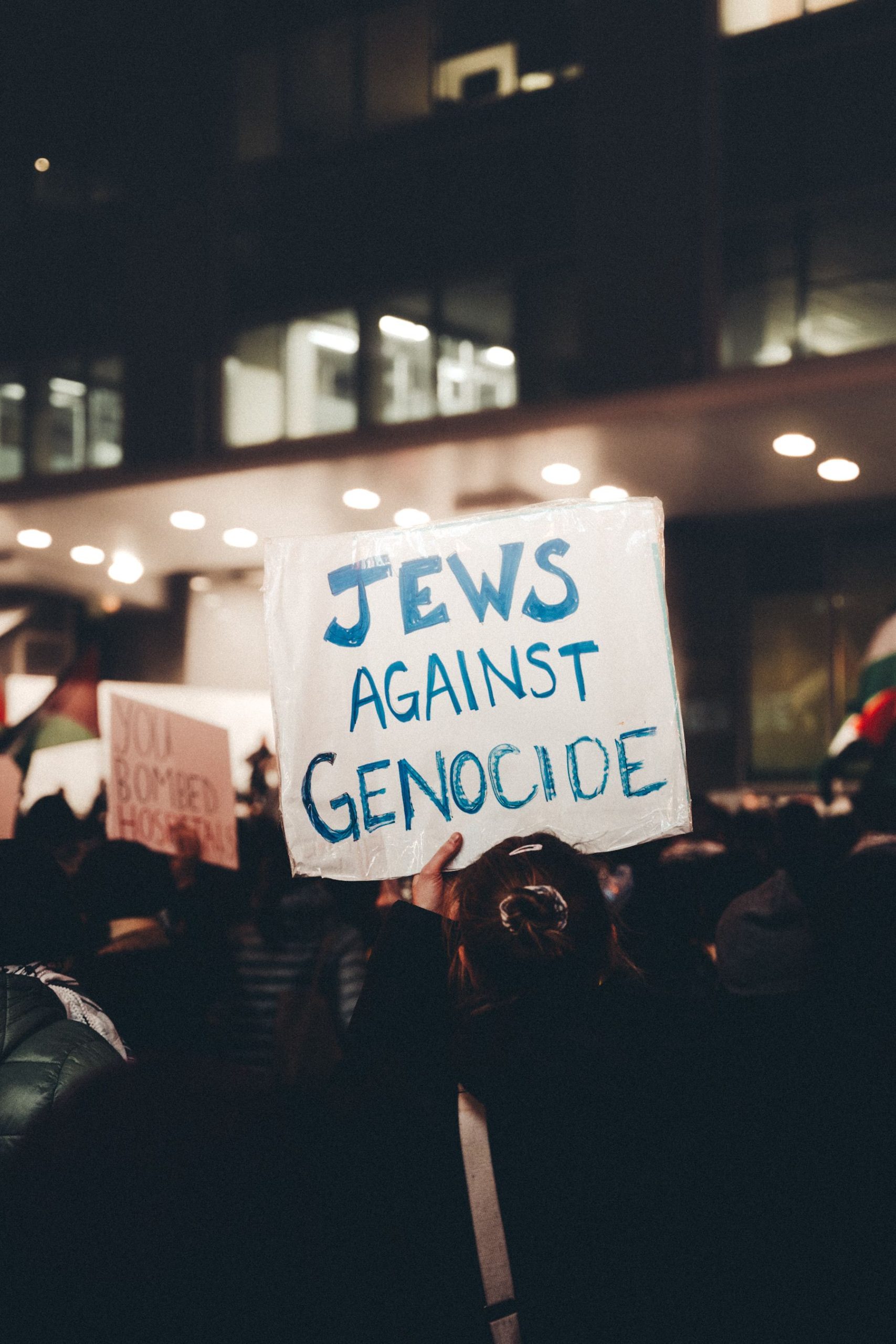
The events of October 7th, in particular, marked a pivotal shift. I believe history will remember that day not solely for the tragic massacre involving Hamas but as the catalyst that exposed the untenable status quo. The subsequent response by the Israel Defense Forces (IDF), characterized by devastating overreaction and collective punishment, has ignited an intense international debate. It has also sparked a significant shift in global sympathy toward Palestine, signaling an irreversible change in the political landscape.
Within Israel itself, societal divides are widening more than ever. Disagreements now span issues of religion, judicial reforms, the ongoing war, hostages, conscription, and economic policies. The Israeli military, burdened and overstretched, reflects a nation grappling with its identity and future. It is foreseeable that future generations will awaken to the reality that their participation is for a cause disconnected from the tangible existence and rights of Palestinians—their neighbors and former inhabitants.
While I recognize that no situation is monolithic, my personal conviction is clear: I cannot remain silent or complicit in a society that fails to address its moral failures. If even a small fraction of Israeli Jews held a worldview akin to mine, perhaps I would reconsider staying. Yet, the stark reality remains that the perspectives I hold are not widespread enough within my community.
In conclusion, my decision to leave Israel is driven by a desire to align my actions and my conscience. It is a response to a society that, in my view, is losing its moral compass—a step towards seeking a more just and compassionate existence.
This reflection is intended to provide insight into a personal journey shaped by complex political, social, and moral considerations. Such decisions are deeply personal and reflect ongoing debates about identity, justice, and human rights.