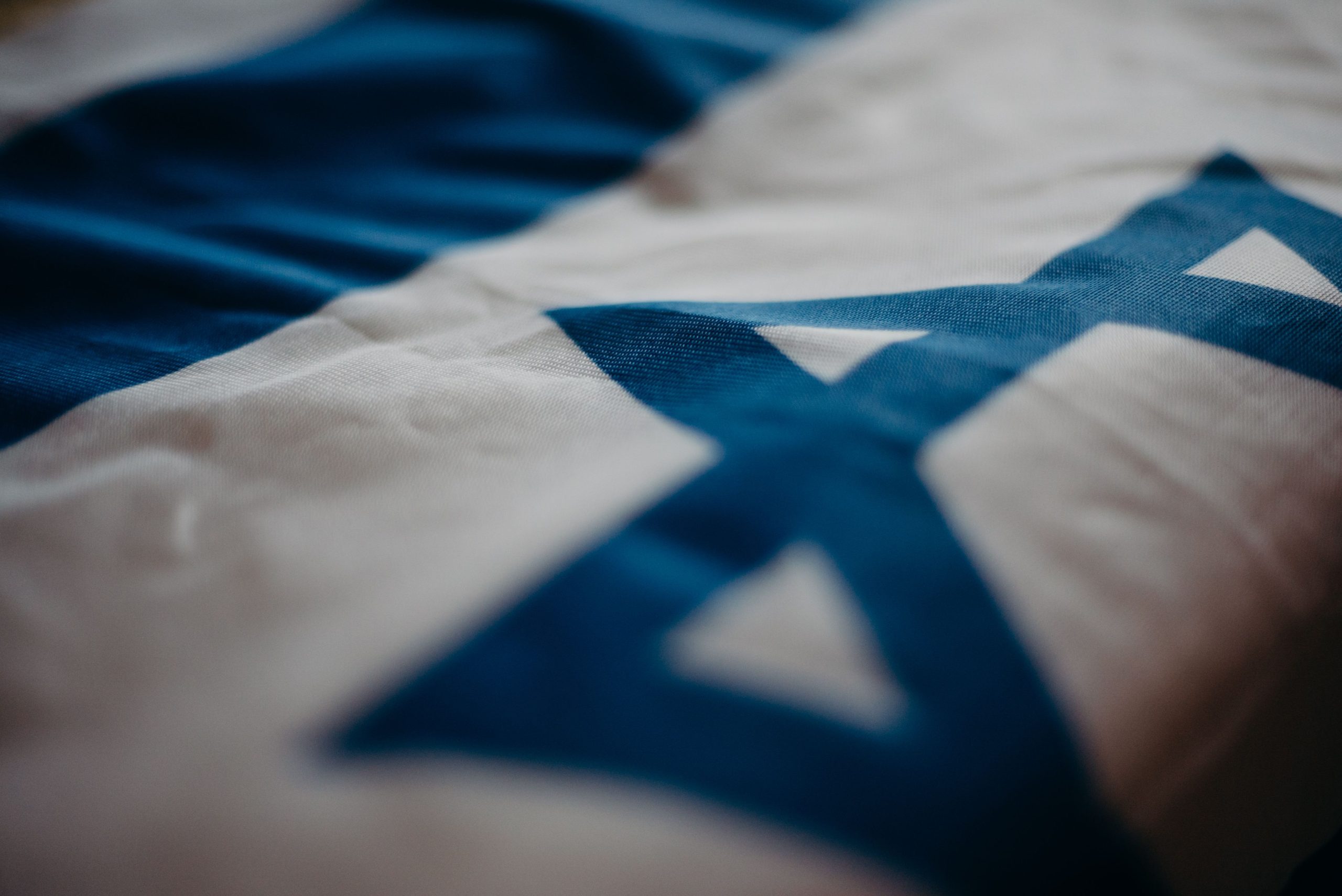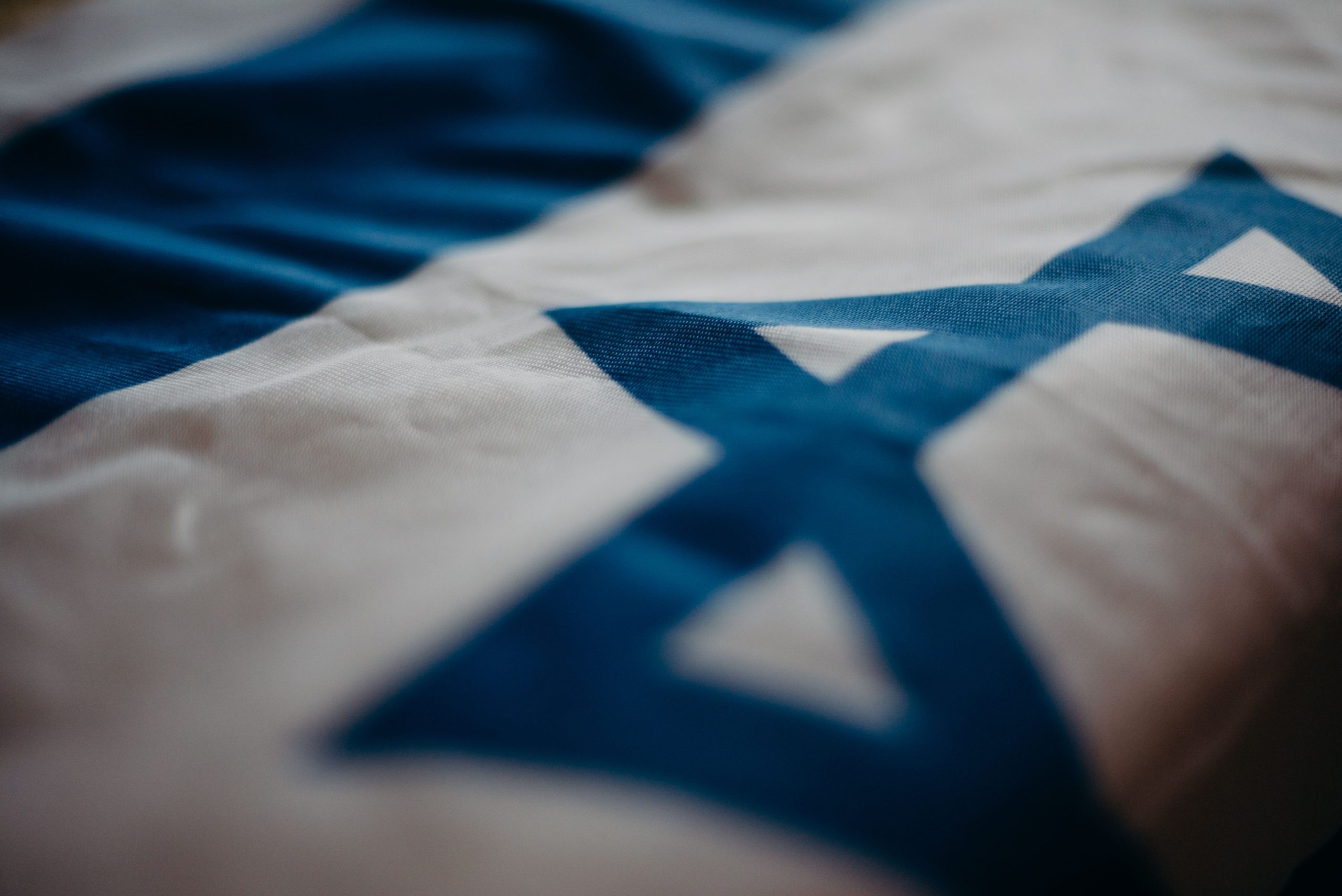
Assessing the Perception of Threat: How Do Israelis View Erdogan and Turkey in 2024?
In recent months, global security discussions have been reignited by statements and alerts originating from Israeli intelligence agencies and officials concerning potential regional threats. Of particular interest has been the perceived escalation in rhetoric involving Turkey and its leadership under President Recep Tayyip Erdoğan. The core question many are asking today is whether Israel regards Turkey as a genuine security concern or if recent alarms are exaggerated for diplomatic or political purposes.
Contextual Background
Historically, Turkish-Israeli relations experienced periods of tension and rapprochement, but recent developments have once again made headlines. Speech patterns and official communications from both sides suggest a complex landscape of diplomacy, intelligence concerns, and strategic calculations. Recently, some agencies and officials have circulated warnings about a possible emerging threat, with references dating back to 2024. Notably, these alerts have been resurfacing in public discourse following specific tweets from Israeli officials, alongside claims that certain events and threats may have occurred over the weekend.
The Turkish Perspective: Political Rhetoric or Real Threat?
In Turkey, public opinion tends to interpret escalating rhetoric and threat warnings as part of a broader political game. Many Turkish analysts and citizens perceive these warnings as tactical moves—”throwing words” for political gain rather than indicators of an immediate, tangible threat. Such perspectives are rooted in a longstanding tendency to view external threats through a political lens, often seeing international posturing as peripheral to domestic priorities.
The Israeli Perspective: Evolving Perceptions
In Israel, the narrative appears to be shifting. While historically there might have been a tendency to dismiss inflammatory rhetoric as typical political posturing, recent developments suggest a more cautious approach. The resurgence of threat assessments from security agencies, coupled with specific public statements and tweets, sparks concerns about possible future conflict scenarios. The question for many in Israel is whether the country should continue to view these pronouncements as mere political noise or recognize them as signals warranting serious strategic consideration.
Some Israeli security analysts are now contemplating the possibility of Turkey becoming a more direct threat—particularly in light of regional developments involving Iran. Discussions are emerging about whether Israel might need to prepare for scenarios involving Turkey, especially if regional tensions escalate or if geopolitical alignments shift further.
Is Turkey a Genuine Threat or Just Political Rhetoric?
The core of the debate lies in how both nations perceive each other’s intentions. Among Israeli officials and security professionals, there is a growing concern that rhetoric might eventually lead to tangible conflict if left unaddressed. The question remains: Do Israelis see Erdogan’s Turkey as an imminent threat deserving proactive measures, or do they continue to interpret these exchanges as political posturing?
Conclusion
As 2024 unfolds, the regional security landscape remains volatile. While Turkish public opinion and official stance may downplay the seriousness of recent threats, Israeli perceptions appear to be veering towards increased vigilance. The evolving narrative underscores the importance of understanding regional dynamics and maintaining clear communication channels to prevent misunderstandings that could escalate into conflict.
Final Thoughts
Understanding the perceptions within each country is crucial for analysts, policymakers, and observers of Middle Eastern geopolitics. Whether viewed as strategic posturing or genuine threats, these developments highlight the delicate balance of diplomacy and security in an increasingly complex regional environment. As always, staying informed and discerning between rhetoric and reality remains key to navigating these challenging times.