Understanding Arab Public Sentiment: Insights into Views Toward Governance and Sociopolitical Trends in the 22 Arab States
The Arab world is a complex tapestry of nations, cultures, and political systems. Due to the prevalence of central autocratic governments across the 22 Arab states, gauging the true sentiments and preferences of their populations remains a formidable challenge. Nevertheless, historical moments offer valuable glimpses into the collective will of Arab peoples, revealing their priorities, aspirations, and the tensions within their societies.
Notable Historical Examples
-
Saudi Arabia’s 2012 Drive to Empower Women
In 2012, then-King Abdullah of Saudi Arabia proposed lifting the country’s longstanding ban on women driving. Recognizing the deeply rooted religious conservatism and the potential for unrest, the king resorted to a consultative process, submitting the issue to the Shoura Council—a body composed predominantly of tribal and regional representatives. The results were telling: approximately 90% of the council members voted against allowing women to drive, citing religious objections. This episode underscores the influence of conservative religious beliefs on policymaking and highlights the disconnect between government initiatives and prevailing public sentiment. -
Egypt’s Democratic Expression Post-Mubarak
Following the Arab Spring and the abdication of President Hosni Mubarak in 2011—who had held power for nearly three decades—Egyptians demonstrated their political inclinations through democratic processes. In the 2012 elections, a majority voted for Mohamed Morsi of the Muslim Brotherhood. This electoral outcome reflected significant support for Islamist political movements within Egyptian society, despite ongoing debates about governance and stability. -
Tunisia’s Push for Secular Governance
Contrasting Egypt’s Islamist shift, Tunisia’s 2014 constitutional developments revealed a nuanced civil society voice. Tunisians collectively opposed the Islamists’ ascent to power by advocating for a secular constitution that emphasized liberal and progressive values. This highlights the diversity of political preferences within Arab nations and the importance of domestic civil movements in shaping national direction.
4-5. Libya and Syria: The Rise of Islamist Governments
In post-Qaddafi Libya and the ongoing Syrian conflict, Islamist groups have gained varying degrees of influence or control. These developments indicate a broader regional trend where Islamist ideologies resonate with segments of the population, often amid chaos and conflict that weaken secular institutions.
Palestinian Perspectives and Regional Dynamics
-
During the Gulf War, Palestinian refugees in Kuwait expressed their support for Saddam Hussein’s invasion of Kuwait, hoping he would support the Palestinian cause militarily. Their participation in looting and violence during the conflict reflected this complex political stance, rooted in frustration and a desire for a more confrontational approach to establishing a Palestinian state.
-
Conversely, Palestinian refugees in Jordan and Lebanon historically contributed to regional instability, notably through participation in events like Black September and the Lebanese Civil War. These actions were driven by the intent to challenge existing power structures and pursue their broader conflict with Israel from comfortable refugee camps within neighboring countries.
-
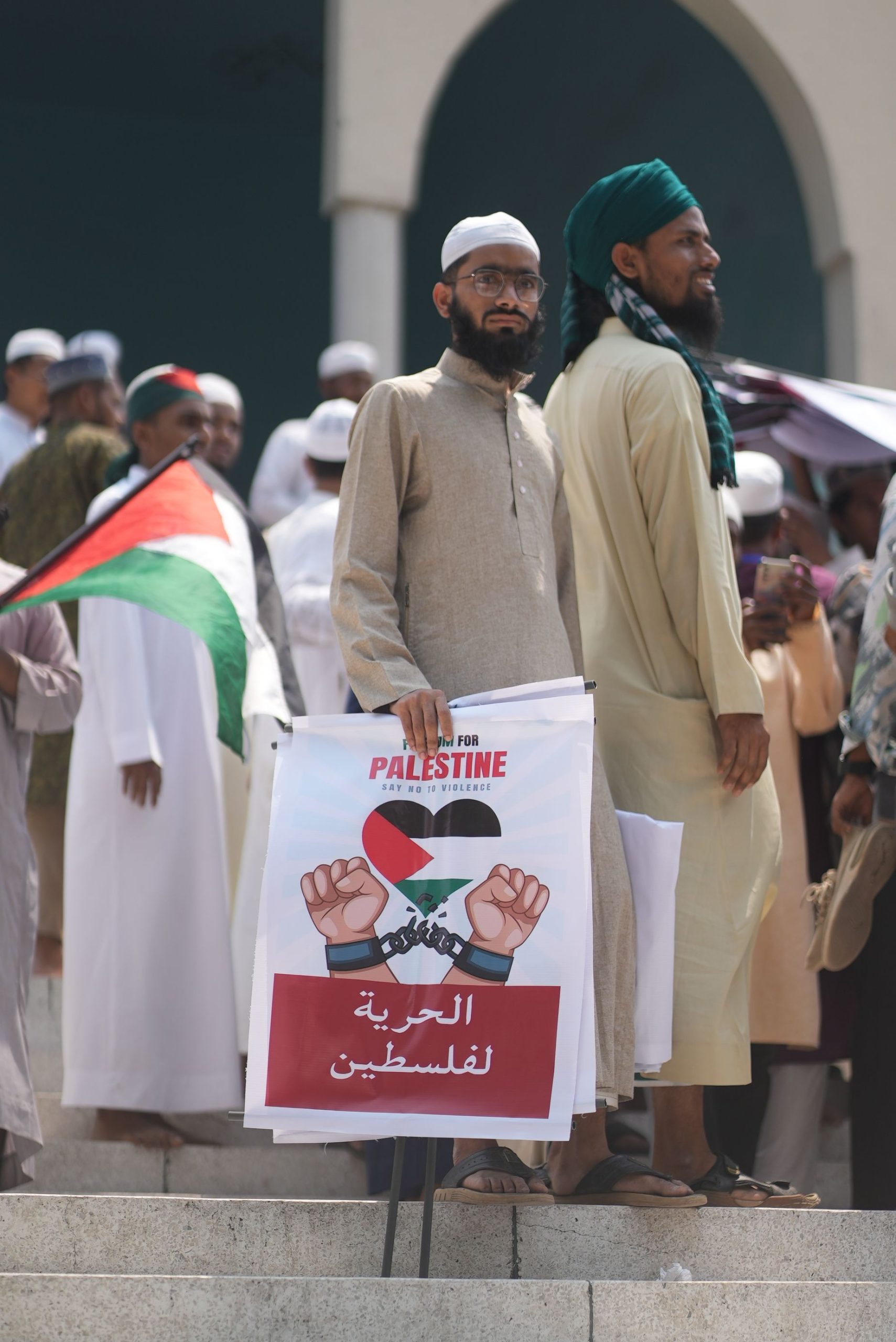
Present-day Palestinian attitudes reveal a continued alignment with Iran, a regime known for its support of militant proxies and conflicts resulting in massive loss of life. Despite Iran’s involvement in Syria and Yemen, many Palestinians maintain their support for the Islamic regime and its regional policies.
Implications for Governance and Society
The influence of Islamist movements in the Arab world is profound and often underestimated outside the region. Their enduring power is tied to deep-seated societal preferences—many publics express support for theocratic principles, valuing religious law over secular governance. This dynamic presents significant hurdles for reformist or modernization efforts, notably in Saudi Arabia, where Crown Prince Mohammed bin Salman’s attempts at secular reform face significant resistance from Islamist factions. The possibility of a coup or political upheaval remains a persistent threat, driven by the mobilization of religious support for maintaining theocratic principles.
Public sentiments tend to favor government accountability that blames external adversaries—such as Western powers and Israel—for economic hardships or political failures. Conversely, any move perceived as diverging from traditional Islamic values or distancing from regional allies, like Palestine or Iran, risks domestic backlash. This interplay between autocratic rulers and societal desires illustrates why many governments prioritize issues like enforcing Islamic law over economic reforms or diplomatic normalization.
Conclusion
While authoritarian regimes across the Arab world often suppress or manipulate public opinion, historical and contemporary examples reveal a complex landscape of societal preferences. At their core, many Arab populations show a pronounced inclination toward theocratic governance, support for regional causes like Palestine, and resistance to Western influence. Understanding these dynamics is crucial for anyone aiming to grasp the region’s political trajectory, the persistence of Islamist movements, and the challenges faced in implementing reforms that reflect the true will of the people.