Understanding the Silence: Why Is the October 7th Incident Often Overlooked in Discussions of Gaza and Genocide?
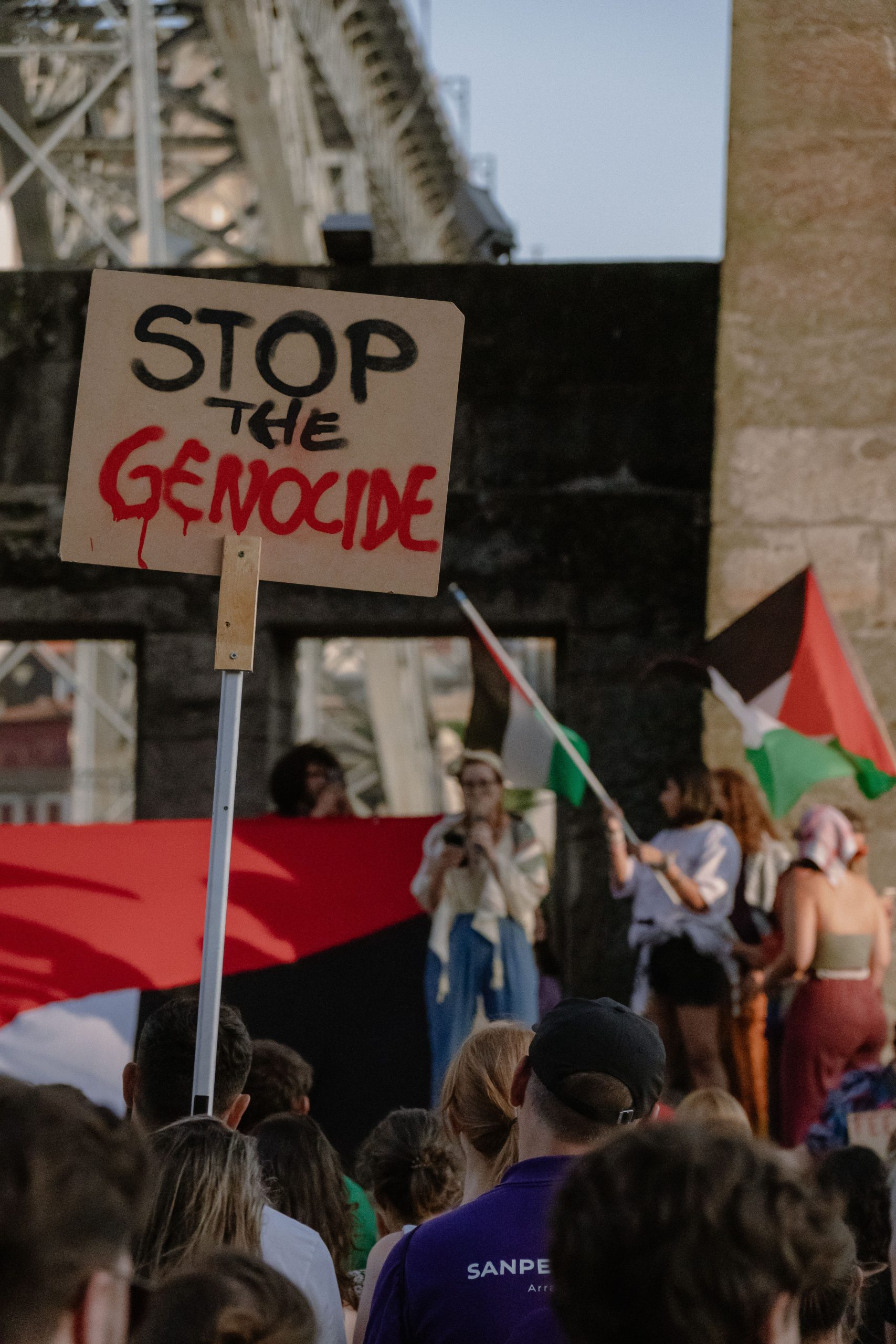
In recent conversations surrounding the conflict in Gaza, a noticeable pattern emerges: the events of October 7th are frequently absent from the broader discussion of violence and loss. While the tragic loss of approximately 75,000 lives in Gaza captures global attention, the specific episode that unfolded on October 7th seems to be sidelined or rarely mentioned in conversations about genocide and human rights violations.
This raises an important question: Why is the significance of October 7th not consistently integrated into the narrative, especially when discussing the broader context of violence and civilian suffering in Gaza?
The Context of the Gaza Conflict
To understand this phenomenon, one must first appreciate the complex history and ongoing conflict in the region. The recent escalation has resulted in staggering casualties, with estimates suggesting around 75,000 deaths in Gaza alone. Such figures naturally evoke empathy, outrage, and a desire for accountability.
However, many observers note that the specific incident on October 7th—a moment that deeply affected many—often remains underrepresented in mainstream discourse. This discrepancy prompts a closer examination of how narratives are shaped and what factors influence collective memory.
Why Is the October 7th Incident Overlooked?
Several factors may contribute to the relative silence around October 7th in discussions of violence and genocide:
-
Media Framing and Coverage: Media outlets sometimes focus predominantly on the aftermath—such as casualties and humanitarian crises—rather than the specific events leading up to them. The narrative may shift toward larger figures or ongoing conflicts rather than detailed accounts of individual incidents.
-
Political and Geopolitical Influences: International alliances and diplomatic considerations can influence how events are presented and discussed publicly. Certain incidents may be downplayed or omitted to align with political narratives or strategic interests.
-
Emotional and Psychological Factors: Collective memory tends to emphasize certain events over others, especially when they serve as symbolic representations of a conflict. The immediate trauma of initial attacks, like those on October 7th, can be obscured by the ongoing humanitarian catastrophe.
-
Complexity of the Conflict: The Israeli-Palestinian conflict is multifaceted, involving deep historical grievances, competing narratives, and geopolitical interests. This complexity can lead to selective memory, where some events are highlighted while others are sidelined.
The Need for a Holistic Narrative
The crux of the issue lies in understanding that victimization is multifaceted. The initial events of October 7th, which involved significant loss of life, sexual violence, and trauma, are an integral part of the story. Similarly, the subsequent casualties and suffering in Gaza must also be acknowledged to present a comprehensive picture.
Ignoring the initial incident does a disservice to the victims and hampers efforts toward understanding and resolution. It is essential for global discourse to recognize and discuss all aspects of such tragedies—including the immediate acts of violence, their broader consequences, and the ongoing humanitarian crises.
Conclusion
As global citizens, our goal should be to seek a balanced, truthful understanding of conflicts and tragedies, rather than selectively emphasizing certain aspects over others. Recognizing the events of October 7th as a critical moment in the ongoing story of Gaza and the Israeli-Palestinian conflict is essential for fostering informed discussions and compassionate responses.
By doing so, we honor all victims, acknowledge the full scope of suffering, and contribute to a more comprehensive and empathetic global conversation.
Note: The perspectives shared in this article aim to promote understanding and encourage open, respectful dialogue around complex geopolitical issues.