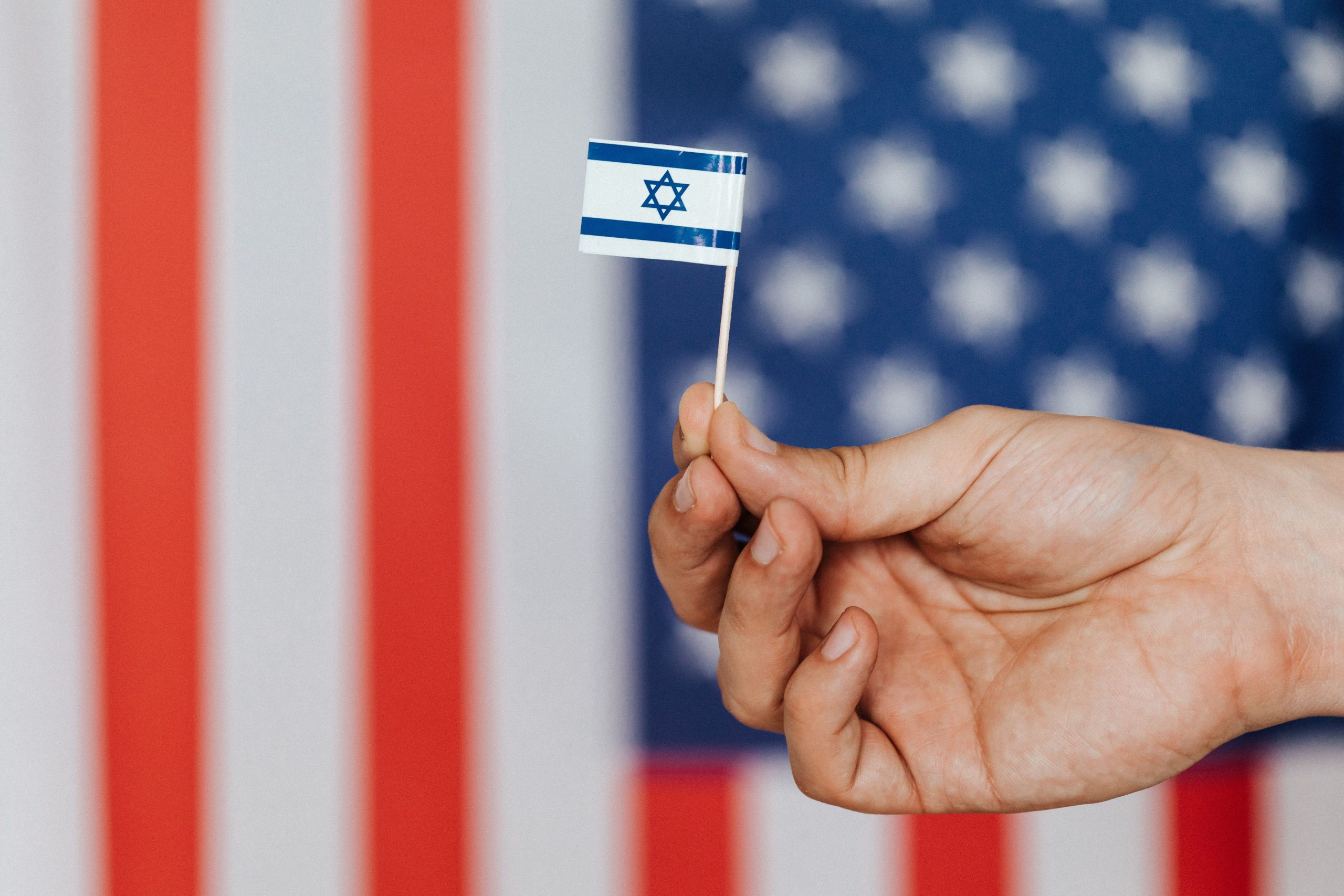
Trends in American Public Opinion: A Decline in Support for Israel
In recent years, American perceptions of Israel have experienced a significant shift, with public approval decreasing markedly. Current data indicates that more Americans now sympathize with the Palestinians than with Israel—a notable development in the longstanding dynamics of U.S. Middle East policy.
Changing Patterns of Sympathetic Alignment
According to recent surveys, approximately 41% of Americans express greater sympathy toward the Palestinians, compared to 36% supporting Israel. Historically, from 2001 through 2018, Americans consistently favored Israel substantially, with the gap averaging around 43 percentage points in its favor. This trend underscores a dramatic reversal in public sentiment over the past few years.
Democratic Party and Political Shifts
This trend is especially pronounced among Democratic voters. Today, about 65% of Democrats report feeling more aligned with the Palestinian cause, whereas only 17% predominantly sympathize with Israel. The shift within this demographic reflects broader debates within the party concerning U.S. foreign policy and military aid.
The implications of these changing attitudes have not gone unnoticed in political circles. Some analysts suggest that support for Israel, like that demonstrated by Vice President Kamala Harris’s expressions of solidarity, may have influenced electoral outcomes—potentially contributing to President Harris’s electoral defeat to Donald Trump. Meanwhile, within the Democratic Party and among Independents, there is a growing discourse around adjusting or even withdrawing military support to Israel, driven by evolving perceptions and policy concerns.
Implications for U.S.-Israel Relations and Policy
The sharp decline in American support raises pertinent questions for Israeli policymakers and the broader diplomatic community. Are Israeli officials aware of this shift in American public opinion? If so, how might it influence future U.S. foreign aid and military assistance strategies? Additionally, domestic discussions within the United States are increasingly addressing how to navigate this changing landscape—specifically, whether a reduction in U.S. support might be on the horizon and how that could impact the region.
As public opinion continues to evolve, understanding these dynamics is vital for policymakers, stakeholders, and observers of Middle Eastern affairs. The coming years are likely to bring further debates on the future of U.S.-Israel relations, shaped by shifting attitudes and political considerations within the United States.
Stay informed on international affairs by subscribing to our blog for updates and expert analyses.