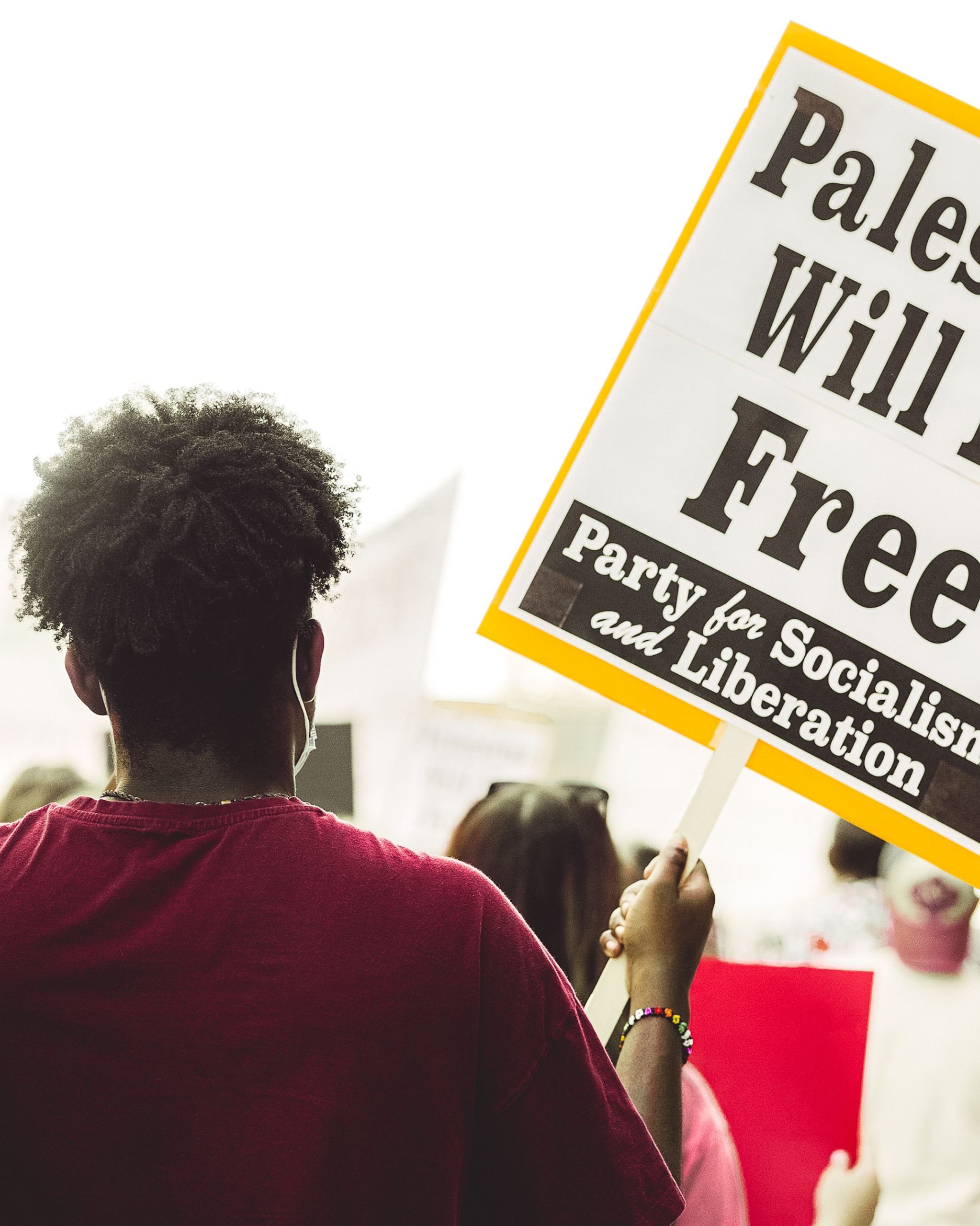
Reevaluating the Concept of a Palestinian State: Historical Context and Contemporary Perspectives
The ongoing debate surrounding the establishment of a Palestinian state often raises complex questions about historical borders, regional identities, and geopolitical realities. A recurring point of discussion is the perception that the notion of a Palestinian state excludes certain geographical and political considerations—most notably, the status of Jordan.
Historical Background of the Jordanian-Palestinian Connection
When examining the origins of modern Middle Eastern borders, it’s important to recognize that the British Mandate for Palestine was partitioned after World War II. The eastern portion of this mandate was delineated as Transjordan, later known simply as Jordan, in 1946. This area became an independent state with a majority Arab population, many of whom identify as Palestinian. Consequently, Jordan possesses a significant demographic and cultural connection to Palestinian communities, with a shared history and identity that cannot be overlooked.
The Question of Palestinian Statehood: Is It Already Real?
Given this historical backdrop, it prompts a vital question: why do mainstream discussions often focus solely on establishing a new Palestinian state west of the Jordan River—primarily within Israel’s current borders—without adequately acknowledging that a form of Palestinian political entity already exists in Jordan? This perspective suggests that the creation of yet another Palestinian state might be somewhat redundant or at least requires reconsideration in the context of Jordan’s demographic and cultural ties to Palestinians.
The Contemporary Push for a New Palestinian State
Despite this reality, there remains a persistent international and regional push to establish a Palestinian state within the territories of Gaza and the West Bank (Judea and Samaria). Advocates argue that such a move is essential for Palestinian self-determination and national sovereignty. However, this approach often emphasizes the need for Israel to make extensive concessions, including territorial withdrawals and neighboring diplomatic arrangements, without sufficiently addressing the existing Palestinian presence in Jordan.
The Role of Jerusalem in the Peace Process
A critical aspect of this ongoing discussion involves the status of Jerusalem. Many stakeholders agree that Jerusalem should remain an undivided capital of Israel, serving as a symbol of national unity for the Jewish state. Any potential solutions involving Palestinian sovereignty must respect this principle, avoiding division of the city or concessions that would undermine Israel’s sovereignty over its capital.
A Possible Alternative Framework
Rather than solely focusing on establishing a new Palestinian entity in the West Bank and Gaza, a more nuanced approach could involve recognizing the existing political and cultural realities. This might include considering arrangements that acknowledge Jordan’s role and Palestinian communities within its borders, while carefully negotiating peace and sovereignty issues in the more contentious areas.
Conclusion
The discourse surrounding Palestinian statehood benefits from a comprehensive understanding of historical and regional realities. Recognizing that a form of Palestinian identity and political presence already exists in Jordan invites fresh perspectives on what genuine solutions might look like. Moving forward, balanced negotiations that respect the complexities of history, demographics, and sovereignty are essential for fostering lasting peace and stability in the region.