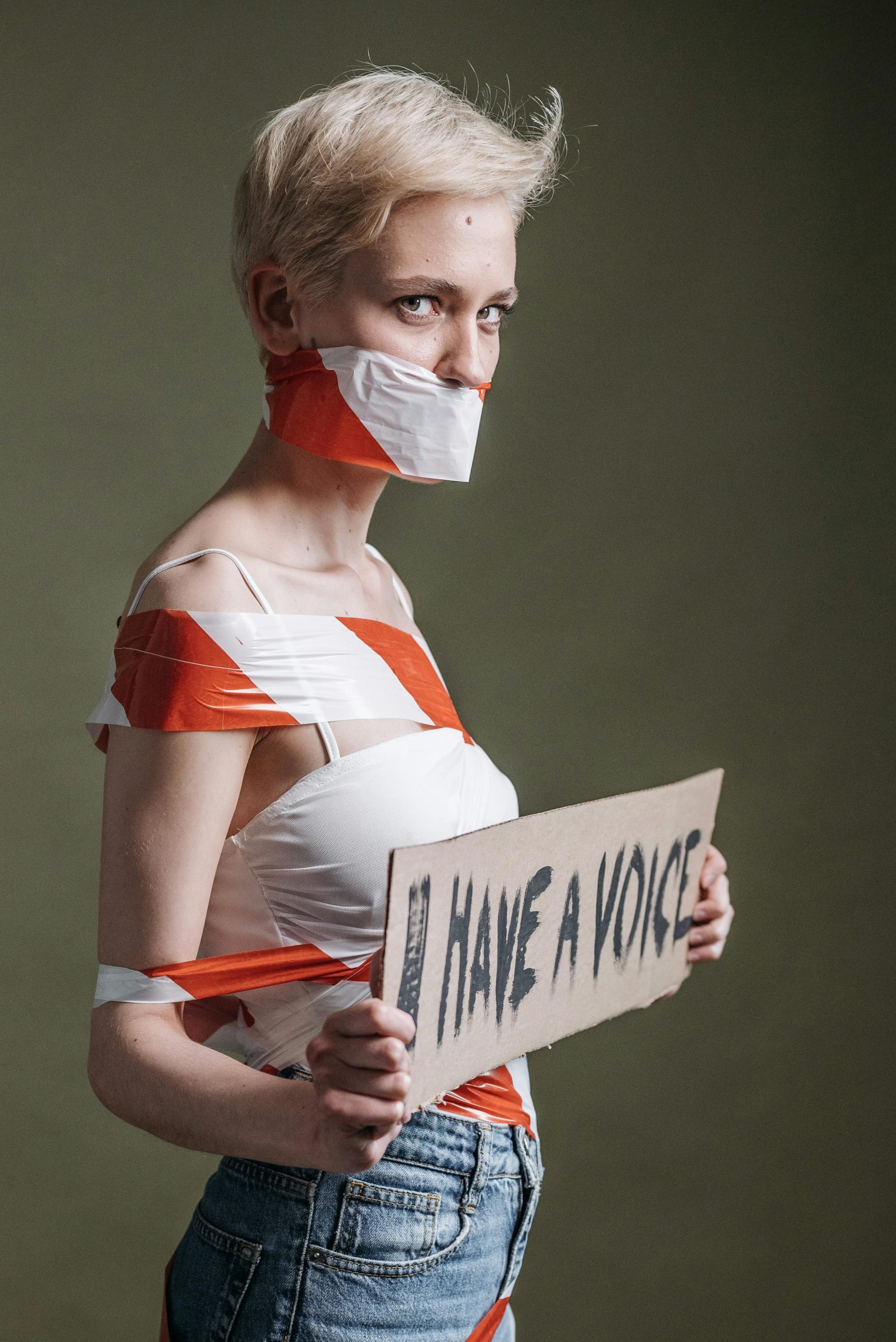
Understanding the Impact of Moderator Power and Censorship on Reddit Communities
In recent times, many users of Reddit have expressed concerns regarding the influence and behavior of certain subreddit moderators. A notable incident highlights how moderator actions can sometimes undermine open discussion and transparency within the platform.
A Reddit user recently shared a personal experience where they were banned from over 400 subreddits within a single day, despite not having violated any community rules or even posting in most of those communities. This broad ban was initiated after they posted an article related to a religious hate incident in the /r/europe subreddit. Within an hour, they were banned from several other related subreddits, including /r/HistoryPorn, /r/history, /r/bestof, and /r/food, by a top moderator known as /u/davidreiss666.
Further inquiries to the involved moderators revealed that the bans were based on personal opinions rather than community guidelines. The user was accused of racism and banned across multiple subreddits managed by these moderators for those opinions. The situation raises important questions about moderation practices, particularly when bans appear to be motivated by disagreement rather than rule violations.
Historical Context of Moderation Concerns
The individual involved has a long history of controversial moderation conduct that predates these recent events. Notably, in 2012, /u/davidreiss666 was involved in significant moderator drama within /r/Canada, where accusations of bias, censorship, and abuse led to his removal from the moderator team. It was reported that he engaged in removing posts, spam, and banning users based on political views, primarily from a left-wing perspective. His behavior was severe enough to draw attention from Reddit administrators, resulting in his expulsion from other moderation communities, including /r/ideasfortheadmins.
Further, there are records indicating similar patterns of conduct in /r/europe, where he allegedly attempted to control discussions and suppress viewpoints that didn’t align with his personal ideology. Such behavior mirrors previous cases where he managed /r/politics, a prominent subreddit that once served as a default Reddit community but was later removed due to concerns over bias and censorship. In 2013, his actions in /r/politics reportedly involved censoring members exposing moderation abuses, leading to significant community controversy and front-page attention.
Concerns about Moderator Bias and Admin Interventions
The pattern of behavior by certain moderators like /u/davidreiss666 raises broader questions about the role of mod power on Reddit. Critics argue that some moderators act with authoritarian tendencies, suppress dissent, and prioritize ideological biases over community guidelines. The incident also touches on how administrative actions can interplay with moderator behavior, influencing community dynamics and the platform’s overall openness.
The user’s account also references how these moderation issues have affected others, including bans on links from specific subreddits like /r/bestof, which was allegedly enforced unilaterally by the moderator in question, disregarding broader community consensus.
Implications for Reddit’s Future
This case underscores concerns about the potential for certain moderators to wield disproportionate influence, shaping communities possibly in ways that stifle free expression and diverse viewpoints. It also highlights the importance of transparency and accountability in moderation practices, as well as the need for mechanisms to challenge or review unfair bans.
The Reddit community and administrators are encouraged to reflect on these issues to foster a platform where open discussion is genuinely protected, and power is exercised responsibly. Ensuring that moderation aligns with community standards rather than personal biases is critical for maintaining Reddit’s reputation as a forum for diverse ideas.
Conclusion
Moderator conduct has a profound impact on the health of online communities. Vigilance, accountability, and transparency are vital in ensuring that platforms like Reddit remain spaces where users can share freely, debate openly, and participate without undue fear of censorship or bias. The recent experiences shared by users serve as a reminder that ongoing oversight and reform are necessary to safeguard the integrity of online discourse.


This post raises urgent and necessary questions about the unseen currents shaping online discourse — specifically, how power structures within moderation can subtly, or overtly, steer communities away from genuine open debate. The pattern of sweeping bans by a single moderator suggests a larger systemic issue: what if the very mechanism designed to foster healthy discussion has been co-opted as a tool for ideological gatekeeping?
History shows us that centralized control—whether through moderation or administration—can morph into a form of digital authoritarianism, where dissent becomes not just discouraged but erased. When moderators act based on personal opinions rather than community rules, it echoes the early warnings of technocratic overreach. Could it be that the current model inadvertently empowers a small elite of moderators who, under the guise of protecting “community standards,” are actually shaping the narrative in ways that serve their own biases?
Furthermore, considering the influence Reddit’s leadership and policies have on the platform’s culture, one might ask: is this a microcosm of a broader societal shift towards censorship masked as safeguarding? Are we unwittingly creating digital environments where free thought is sacrificed on the altar of ideological conformity?
The idea of transparency and accountability in moderation isn’t just a technical issue; it’s a fundamental question about who controls the flow of information and whose voices are prioritized. Perhaps it’s time to challenge the very foundations of moderation—think about decentralized moderation methods, or new governance models that include community oversight—so that platforms don’t become echo chambers for a select few’s worldview.
In the end, maintaining genuine open discourse requires vigilance against those who would wield power unduly. If we accept the status quo, we risk surrendering our digital public squares to a new form of censorship—one that undermines the very ideals of free exchange that should underpin these communities.