Title: Observations from Abroad: The Urgent Need for Civic Engagement in the United States
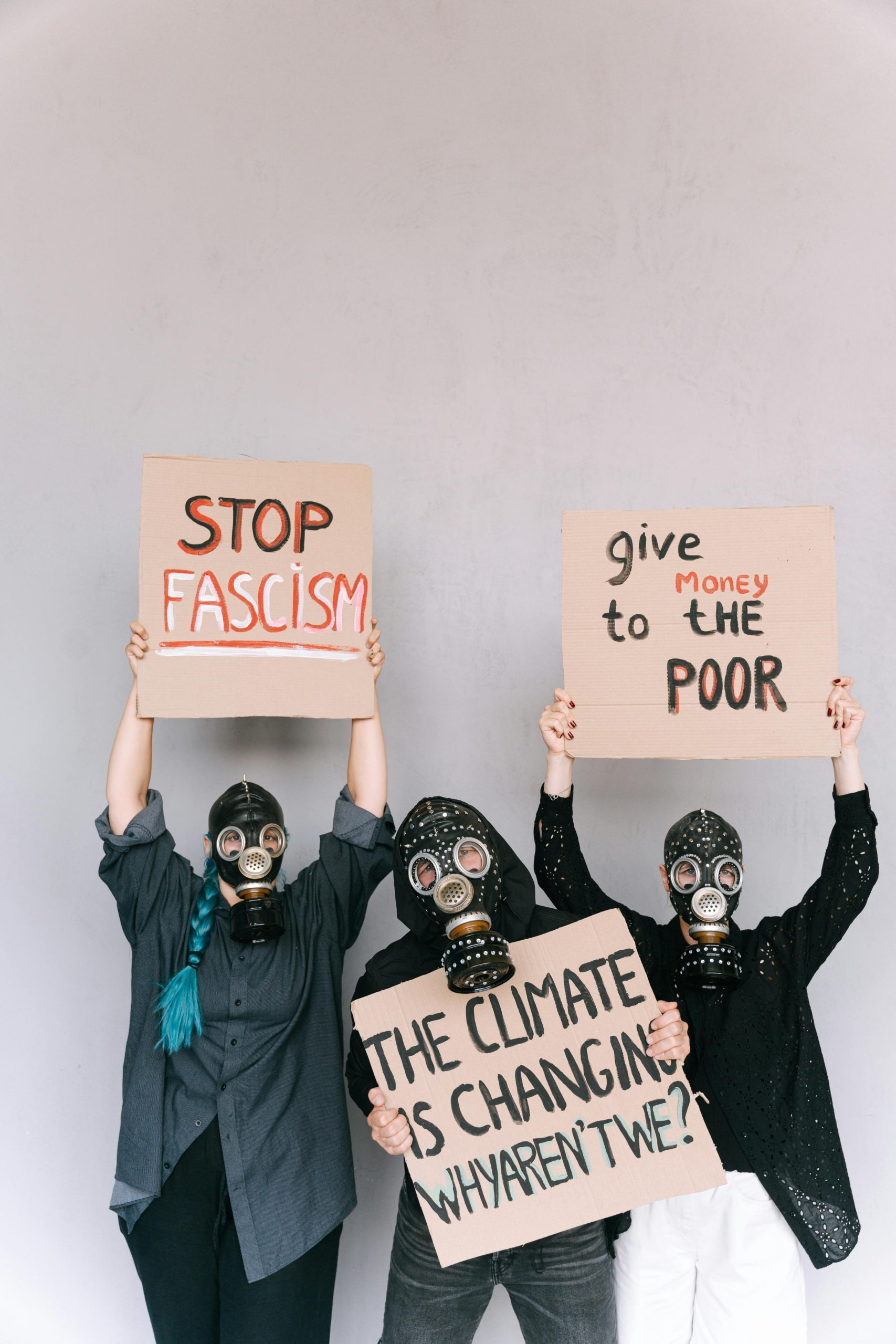
As an observer from Canada, I find myself reflecting on the current state of affairs in the United States. One of the most perplexing aspects is not a conspiracy but the palpable lack of widespread civic activism—particularly given the gravity of the issues at hand. It’s bewildering that, amid significant societal challenges, there isn’t a more robust groundswell of protest or social mobilization to address systemic problems.
Much of the discourse I’ve encountered, especially within certain online communities, has been dominated by repetitive criticisms—specifically targeting political figures or narratives that seem to cycle endlessly without leading to tangible action. While these conversations are important, they often overlook broader, urgent issues demanding attention.
Meanwhile, indigenous communities, such as Canada’s First Nations, are visibly standing together to defend vital resources like water, advocating for their rights and environmental justice. This raises an important question: where are the equivalent demonstrations, marches, or political protests in the United States to challenge a system that appears deeply flawed? It’s troubling to see the world of politics and society seemingly stagnate, especially when many Americans express concern about the direction their country is heading.
There is a collective hope that citizens are organizing, that movements are rising, and that this cycle of political unrest will catalyze meaningful change. The upcoming elections and political landscape should serve as catalysts for engagement, yet history suggests a tendency toward complacency—treating elections and activism as mere routines rather than opportunities for transformation.
Of course, I recognize that many individuals care deeply and are working tirelessly behind the scenes. My intent isn’t to alienate anyone but to emphasize that in the past, this community—like others—had a certain grit and diversity of thought that contributed to meaningful dialogue. The questioning and passionate debates drove progress and brought new perspectives to the forefront.
As we move forward into what promises to be an interesting and challenging period, I sincerely hope that the people of the United States find ways to mobilize, criticize constructively, and actively participate in shaping their future. True change begins with citizens recognizing their power and wielding it effectively.
Wishing all of us the best as we navigate these complex times.

While I appreciate the call for greater civic engagement and recognize the importance of activism, I think there’s a deeper, less acknowledged layer to consider: the role of systemic control mechanisms that intentionally suppress genuine protest and dissent. Historically, powerful entities—be they corporate interests, deep-state influences, or media conglomerates—have masterfully engineered a culture of distraction and complacency to maintain the status quo. What if the apparent stagnation isn’t just apathy but a strategic suppression of revolutionary energy?
We often focus on surface-level protests, yet overlook how certain narratives are deliberately centrifuged to fragment collective action—divide and conquer. Additionally, the use of technology, social media algorithms, and surveillance infrastructures can subtly dissuade or even manipulate the informational environment, drowning grassroots movements in misinformation or limiting their reach.
The question then becomes: are mainstream channels actually阻止ing real systemic change, or are they serving as controlled outlets that channel frustration into token actions? It’s worth questioning whether the so-called “elite” genuinely want a populace empowered or prefer them distracted, divided, and politically inert.
This fringe perspective doesn’t deny the importance of civic activism but suggests that true systemic change might require recognizing and dismantling these covert control layers—something that’s often hidden beneath the overt chaos of politics. Until we address the unseen, structural mechanisms that sustain the current system, calls for protest may remain symbolic rather than transformative.
Food for thought: sometimes the most profound change occurs when people question not just the surface, but the very architecture of control itself.