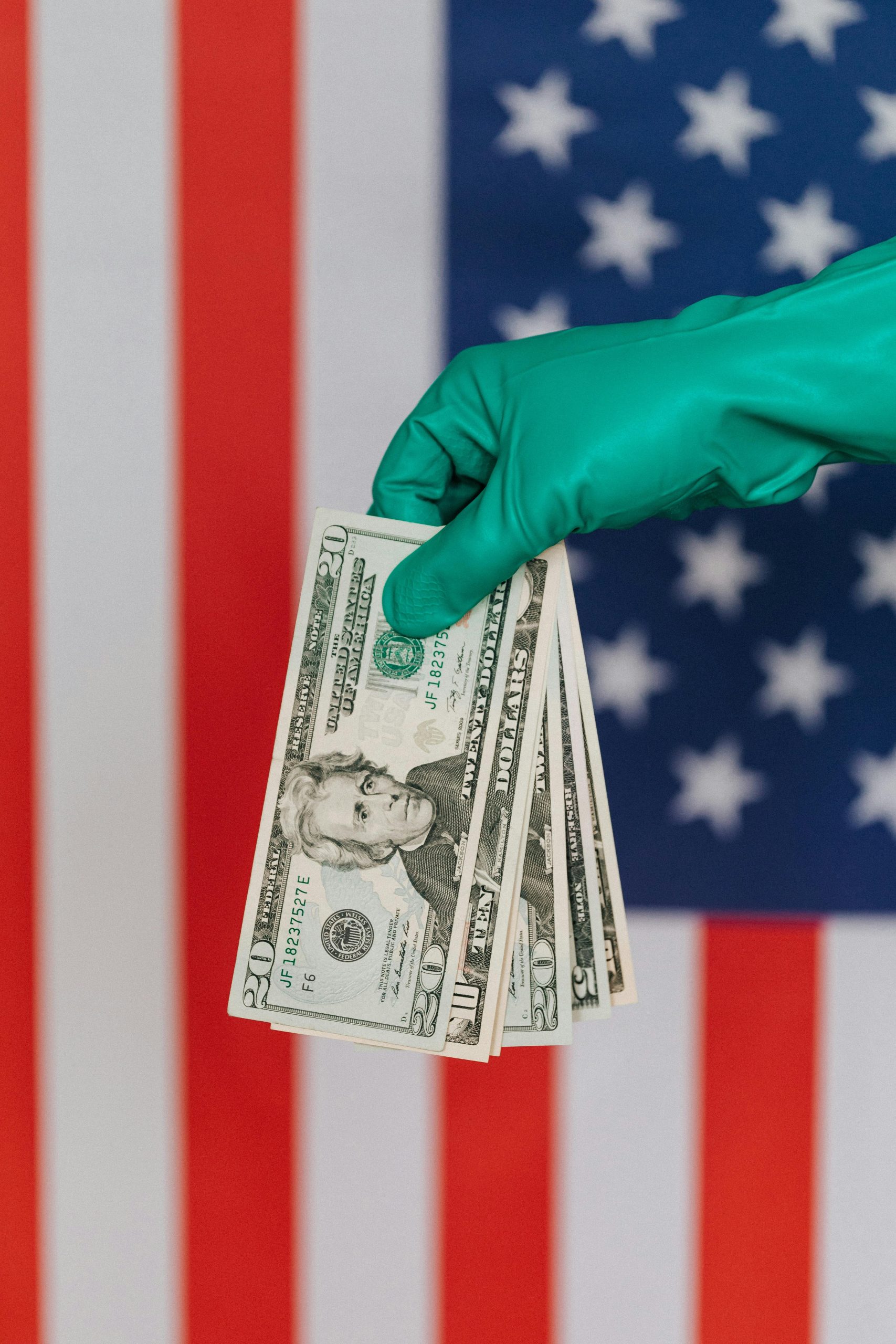
The Cost of War vs. Public Health: An Urgent Reflection on Government Priorities
In recent debates surrounding global crises, one stark comparison often goes unnoticed: the enormous financial resources allocated to military interventions versus the funding available for critical public health initiatives. Specifically, the Iraq war serves as a striking example—costing approximately $2.4 trillion over eight years, or roughly $820 million daily.
A Sober Financial Comparison
During the Iraq conflict, governments committed staggering sums to sustain military operations. Over eight years, this totaled an astronomical $2.4 trillion, averaging about $820 million each day. This massive investment, while controversial, was directed toward a military endeavor deemed a national security priority at the time.
Contrasting this figure with the global response to the COVID-19 pandemic reveals a troubling disparity. Despite facing a worldwide health crisis that has claimed millions of lives and stretched healthcare systems thin, adequate funding and resources often seemed insufficient or delayed. Public discourse continues to question whether governments prioritized military spending over essential health preparedness and response.
A Matter of Moral and Leadership Accountability
This comparison prompts an essential question: How is it that a nation can allocate hundreds of millions daily for war, yet struggle to mobilize comparable resources for unprecedented health crises? It underscores broader concerns about governmental priorities and leadership accountability.
Many critics argue that such disparities reflect a failure in moral leadership. If trillions can be spent on warfare, why is there hesitation or difficulty in ensuring comprehensive health coverage, funding vaccine development, or enhancing healthcare infrastructure? These questions challenge us to evaluate the values and decisions guiding policy and resource allocation.
Conclusion: Reassessing Our Global Leadership
Ultimately, the juxtaposition between military expenditure and health funding reveals a pressing need for reform. Leaders worldwide must re-examine their priorities, recognize the importance of investing in health and human security, and ensure that future crises are met with the robust response they deserve.
It’s time for a critical dialogue about values, leadership, and the allocation of resources—one that emphasizes human well-being over military might. Only then can we hope to build a more resilient and equitable global society.