When I was in elementary school, I had a very memorable and embarrassing moment during a music class. We were preparing for a school concert, and I was chosen to play a small solo on the recorder. I practiced diligently at home, playing the piece over and over to ensure perfection. On the day of the dress rehearsal, in front of all my classmates and teachers, I stood up confidently to perform. But instead of a beautiful melody, a loud and squeaky sound erupted from the recorder. I had accidentally blown into it too hard out of nervousness, and the entire room fell silent before bursting into laughter. Blushing furiously, I wanted to disappear right then and there. However, my teachers encouraged me to try again, and with shaking hands, I managed to play the piece correctly the second time. This moment was initially mortifying, but it taught me resilience and the importance of persevering through mistakes.
Can you share an embarrassing experience from your childhood?

Categories:
Related Post
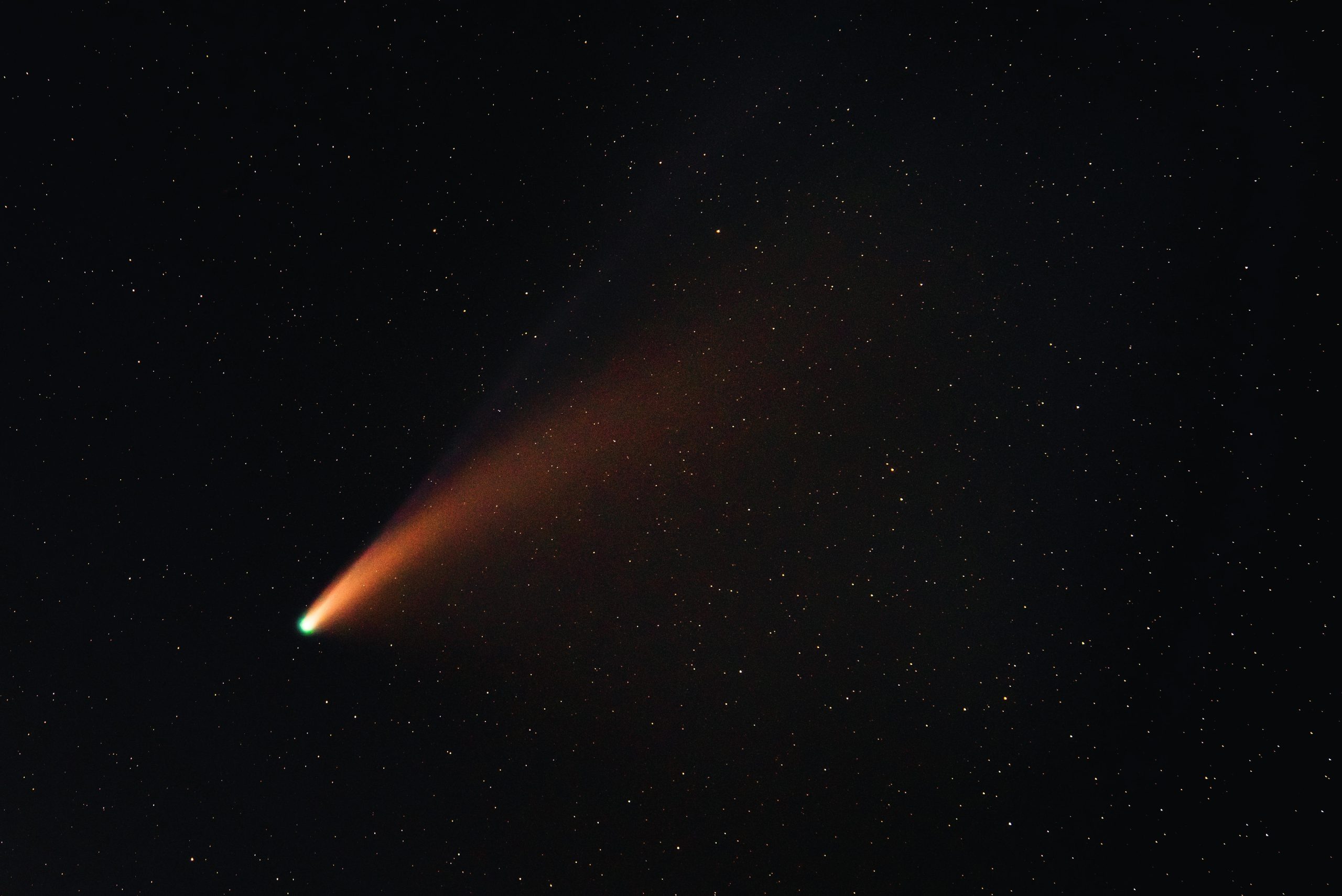
What Speeds has 3i/Atlas Demonstrated?What Speeds has 3i/Atlas Demonstrated?
The object you are asking about, 3I/ATLAS (also known as C/2025 N1), is an interstellar comet that is currently passing through our solar system. Its speeds are exceptionally high, making
Has your libido increased or decreased with age, and what factors do you believe influenced this change?Has your libido increased or decreased with age, and what factors do you believe influenced this change?
As people age, it’s quite common for them to observe changes in their libido, which can either increase or decrease. These shifts are often attributed to a variety of physiological,
Given the present political environment in the United States, is it feasible to host the FIFA World Cup, and what is the likelihood that some countries might decline to participate due to political reasons?Given the present political environment in the United States, is it feasible to host the FIFA World Cup, and what is the likelihood that some countries might decline to participate due to political reasons?
Hosting the FIFA World Cup in the current political climate of the United States is an ambitious endeavor, yet not without valid concerns and challenges. The feasibility of hosting such