If time travel were possible, a fascinating historical event to witness could be the signing of the Magna Carta in 1215. Known as the cornerstone of modern democracy, the Magna Carta’s signing at Runnymede represents a pivotal moment in history where the power of the monarchy was first significantly challenged and limited by the law. Observing this event would provide insight into medieval political dynamics, the courage and motivations of the English barons, and King John’s reluctant acceptance of the charter. It would offer a firsthand understanding of how fundamental principles like the rule of law and individual rights began to take root, eventually influencing future democratic systems worldwide. Being present at such a formative historical occasion would illuminate the beginnings of legal frameworks that continue to shape societies today.
Assuming time travel were possible, what significant historical event would you choose to observe?

Categories:
Related Post

How do you feel about the use of child leashes or harnesses?How do you feel about the use of child leashes or harnesses?
Child leashes or harnesses are a topic of considerable debate among parents and caregivers. They are designed primarily for safety, offering a method to keep young children close in environments

What makes brown basmati rice superior in your opinion?What makes brown basmati rice superior in your opinion?
Brown basmati rice is often considered superior for several reasons, particularly when evaluated through the lens of nutrition, flavor, and texture. Nutritionally, brown basmati rice is a whole grain, retaining
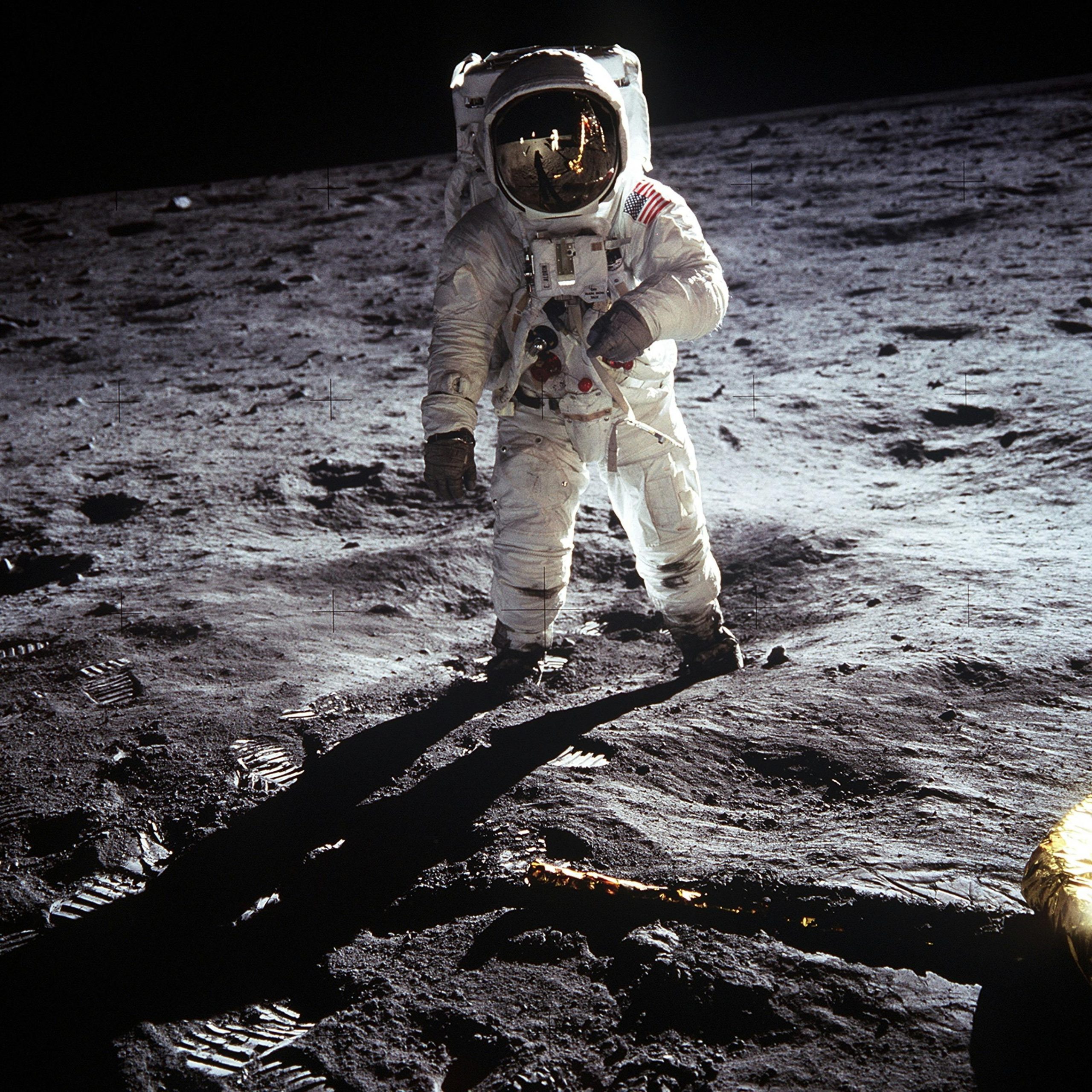
What is NASA?What is NASA?
NASA, or the National Aeronautics and Space Administration, is the United States government agency responsible for the nation’s civilian space program and for aeronautics and aerospace research. Established on July