The Evolution of r/conspiracy: From Skeptical Inquiry to Partisan Echo Chamber
Over the years, online communities dedicated to questioning authority and exploring alternative viewpoints often serve as vital platforms for critical thinking. One such subreddit, r/conspiracy, initially established itself as a hub for rational discourse and skepticism of the mainstream narratives surrounding political and social issues. During the height of the Epstein case last year, many users appreciated that the community recognized the complicity and corruption among politicians across the spectrum, fostering a sense of shared distrust in established institutions.
However, in recent months, the tone and content of r/conspiracy appear to have shifted significantly. Observers have noted an increasing prevalence of posts that lean heavily toward right-wing political perspectives. This shift often manifests in posts that lack genuine conspiracy content entirely, instead serving as platforms for political commentary aligned with conservative ideologies. As of now, the subreddit seems to have transformed into a space resembling a partisan political forum rather than a venue for critical inquiry.
A particularly concerning development is the surge of posts supporting QAnon, a movement widely discredited within the broader conspiracy community. For years, serious conspiracy theorists have scrutinized and dismissed QAnon due to its numerous inaccuracies and baseless claims. Yet, recent posts suggest an emboldening of QAnon sympathies, despite the movement’s track record of misinformation.
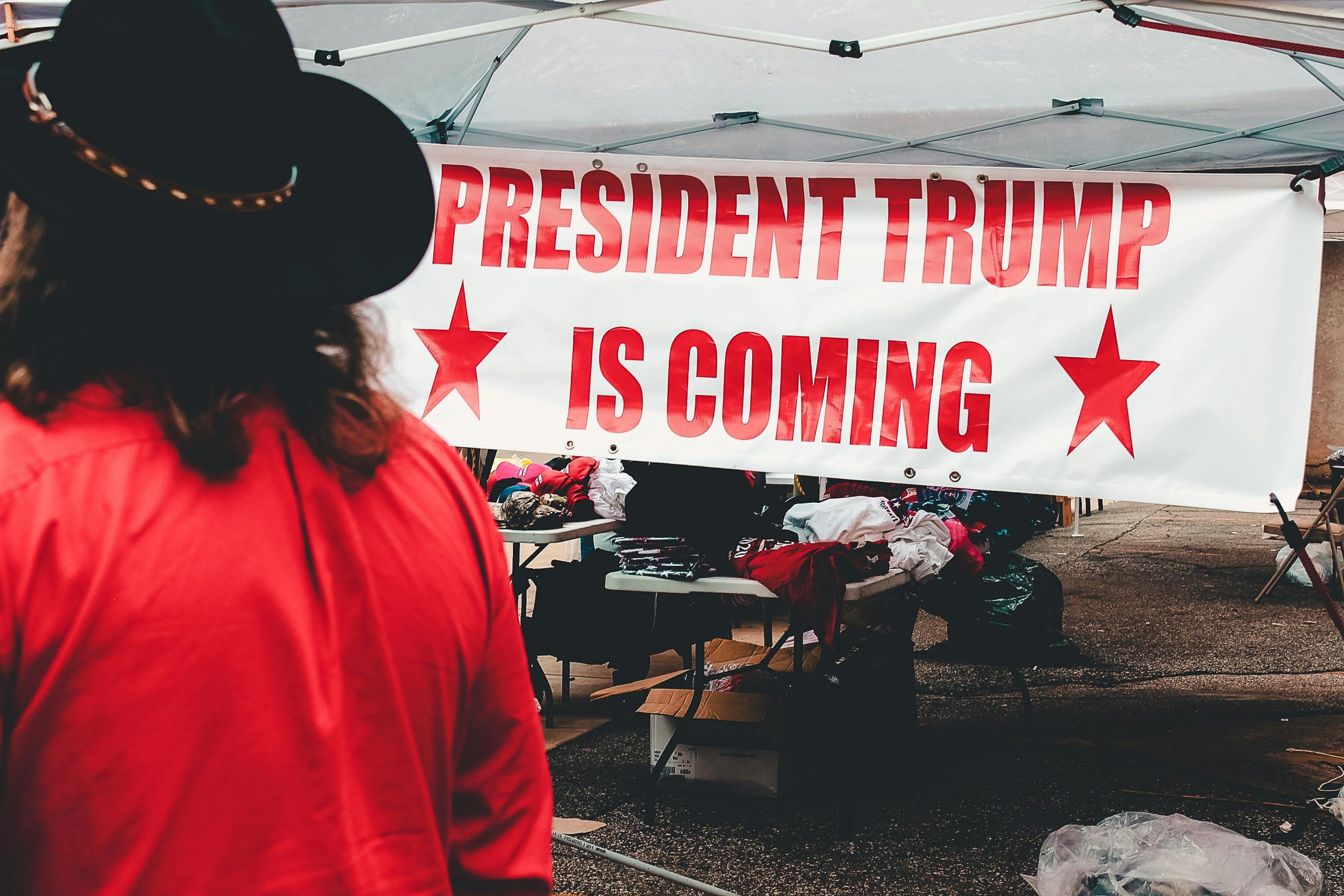
The skepticism surrounding figures like former President Donald Trump remains strong among critical thinkers. The narrative that Trump, a billionaire who has been part of the political landscape for decades, is covertly battling a corrupt elite organization often defies logic and ignores well-documented facts. Believing in such claims, especially in the face of overwhelming evidence to the contrary, raises questions about the line between genuine skepticism and misinformation.
In light of these developments, it is understandable for members who value rational discourse and critical analysis to reconsider their engagement with r/conspiracy. If the community continues on its current trajectory, the quality of discussions and the original intent of the platform may be irrevocably compromised. For those seeking a space dedicated to genuine inquiry, it might be advisable to explore alternative communities that prioritize evidence-based analysis over partisan narratives.
In conclusion, the evolution of r/conspiracy underscores the importance of maintaining critical standards and skepticism in online communities. As the platform shifts away from its original purpose, individuals committed to rational discussion may find it increasingly necessary to seek out more principled environments dedicated to genuine understanding and inquiry.