Are Smartphones Programmed to Detect the Sound of Running Water? An Analysis of Listening Capabilities and Privacy Concerns
In today’s digital age, the pervasive presence of smartphones has led to ongoing debates about privacy and data collection. While it is well-established that mobile devices continuously monitor our interactions to improve user experience and targeted advertising, emerging observations suggest an even more nuanced level of listening—specifically, whether smartphones can recognize specific sounds such as running water from sinks.
The Phenomenon of Targeted Advertising and Sound Recognition
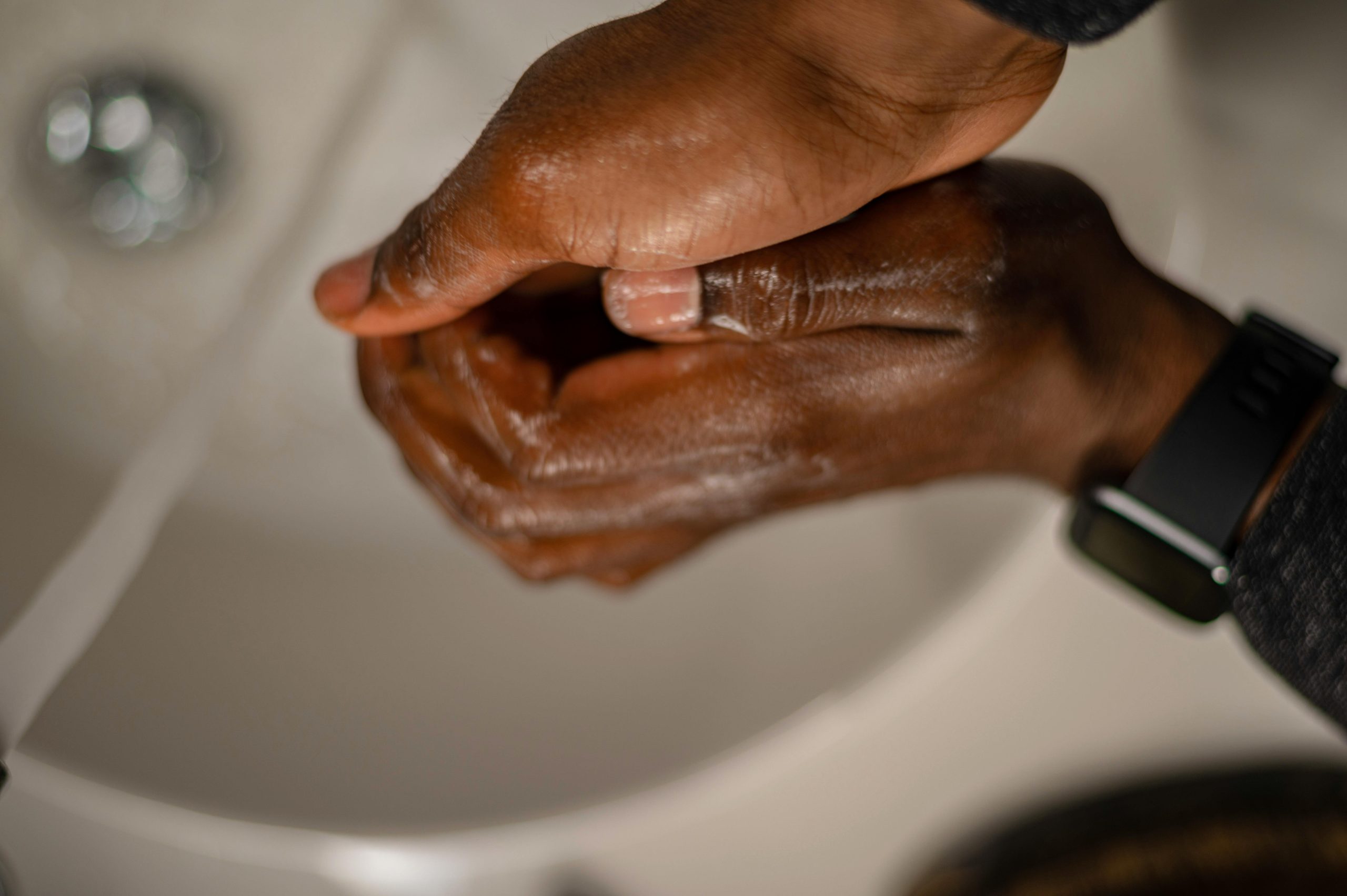
Many users have reported instances where advertisements seem to coincide with particular daily activities, such as washing hands or doing dishes. For example, some individuals notice that immediately after wetting their hands or engaging in water-related routines, relevant ads—perhaps those associated with cleaning products, hand soap, or kitchenware—are promptly displayed on their screens.
This pattern has raised questions: Could smartphones be equipped to detect the sound of running water? Is there an underlying technology that allows devices to recognize specific environmental noises beyond general microphone access?
The Evidence Supporting Acoustic Detection Hypotheses
While direct confirmation from major tech companies remains scarce, repeated anecdotal experiences suggest a correlation between certain activities and targeted advertising. Users have observed that ads tend to appear within seconds of engaging in water-related tasks, sometimes immediately after the activity begins. Such consistency hints at the possibility that smartphones may be listening for and recognizing particular sounds—like running water—to tailor content.
How Could This Be Possible?
Modern smartphones are equipped with advanced microphones and machine learning algorithms capable of sound classification. Developers have created apps and services that can recognize specific sounds—think of voice assistants, voice commands, or even shazam-like music identification tools. Extending this capability, it is conceivable that devices could be programmed, either directly or via third-party applications, to identify environmental sounds such as running water, the clink of dishes, or other household noises.
Privacy Implications
If smartphones indeed possess the capability to recognize specific environmental sounds, this raises significant privacy concerns. Continuous or intermittent listening for particular noises could mean that users are subject to audio monitoring beyond their awareness or consent. The ethical implications warrant serious discussion about data collection policies, user consent, and the limits of technological surveillance.
Moving Forward
While concrete proof that smartphones are programmed explicitly to listen for and react to running water remains to be publicly confirmed, the pattern of targeted ads following water-related activities invites further investigation. As users, we should remain vigilant about our device permissions and stay informed about privacy settings.
Conclusion
The intersection of environmental sound recognition and personalized advertising points to a sophisticated level of smartphone integration that blurs the lines between convenience and privacy intrusion. As technology evolves, it’s crucial for consumers and regulators alike to demand transparency and safeguard individual privacy rights in the digital ecosystem.
Disclaimer: The observations and hypotheses presented in this article are based on anecdotal experiences and should not be interpreted as definitive proof of specific device capabilities. Caution and critical thinking are advised when evaluating claims about digital privacy and surveillance technologies.