Title: Reflecting on Civic Engagement and Systemic Challenges: A Perspective from Abroad
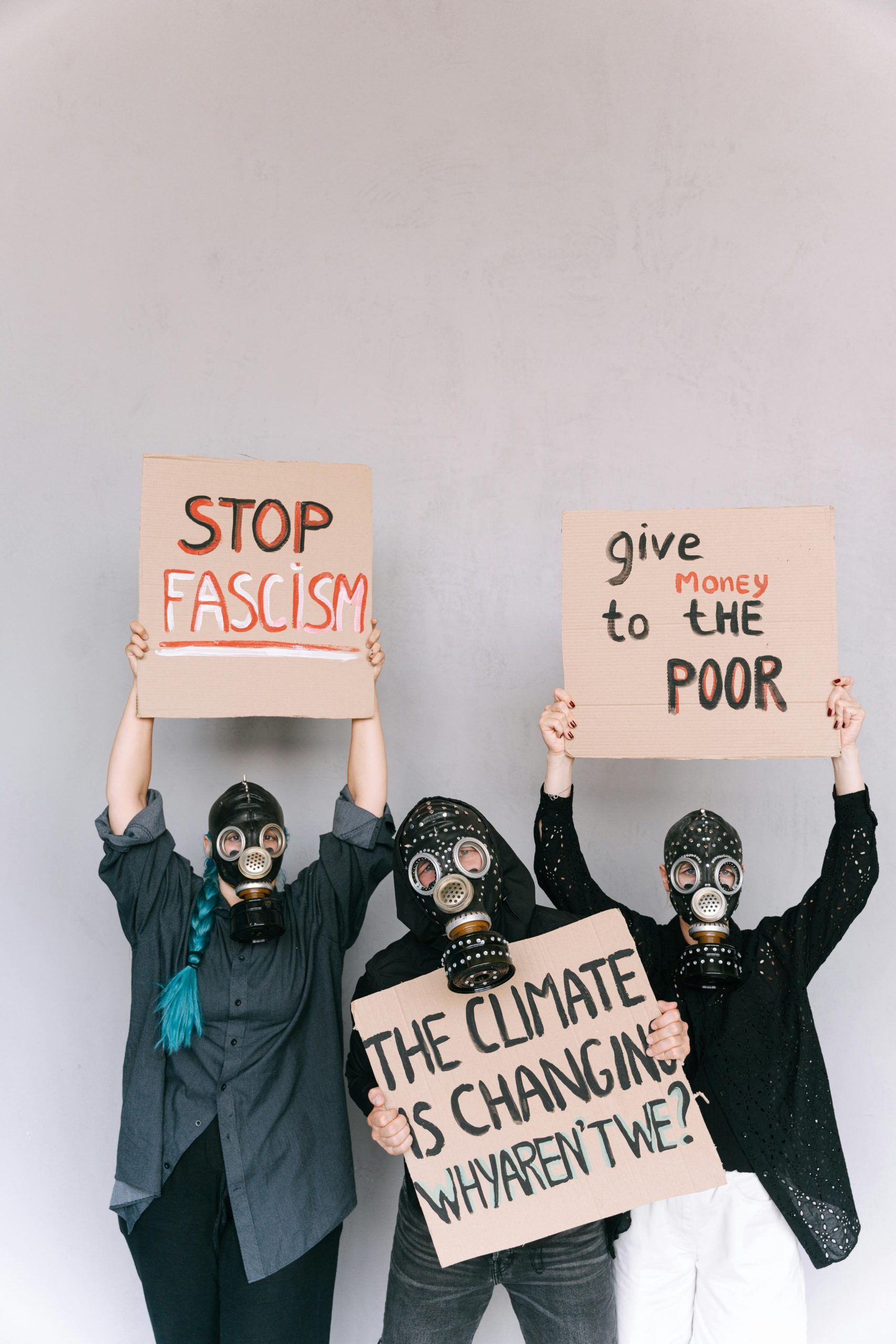
As an observer from Canada watching the developments unfolding in the United States, I find myself compelled to reflect on the state of civic engagement and the broader systemic issues at play. One question that continually puzzles me is: Why aren’t more Americans taking to the streets in protest against a system that many perceive as fundamentally flawed?
In many online communities and discussion forums, there appears to be a relentless focus on politically charged narratives, predominantly centered around figures like Hillary Clinton. While such debates are undoubtedly part of the democratic process, I wonder about the diversity of activism and the depth of grassroots movements working towards meaningful change.
Contrast this with the solidarity demonstrated by Canada’s First Nations communities, who consistently rally to defend vital resources such as water. Their organized efforts serve as a reminder of the power of collective action in addressing critical issues. It prompts me to ask: Where are similar demonstrations of civic unrest or widespread protest addressing the systemic inequalities and political shortcomings in the U.S.? Why is there seemingly limited momentum for large-scale mobilization to challenge the status quo?
It’s essential to acknowledge that political landscapes in many developed nations often present candidates that, while notable, may not fully align with the populace’s desires for genuine change. This sense of limited choices fuels frustration and disillusionment among citizens who wish for a more responsive and accountable system.
To those engaged and caring Americans, I want to emphasize that my reflections are not meant to criticize individuals but to highlight an observed gap in collective action. Historically, platforms—such as Reddit communities—offered diverse viewpoints and a resilient spirit of activism. I hope that this spirit persists and that the upcoming election cycle sparks renewed efforts and widespread engagement.
As we stand on the brink of what promises to be an unpredictable period, I wish everyone the best. Let’s hope that the coming months inspire substantive dialogue and meaningful action that can shape a more equitable future.
Note: This article is written from an external observer’s perspective, aiming to foster thoughtful reflection on civic participation and systemic issues across borders.