Title: Are Our Smartphones Programmed to Detect Running Water? Exploring the Possibility
In the age of pervasive digital surveillance, concerns about privacy and data collection are more relevant than ever. Many users have long suspected that their smartphones listen in on their conversations and activities, but emerging patterns suggest there may be more to the story—specifically, that our devices might be capable of recognizing specific sounds, such as running water.
The Ubiquity of Smartphone Listening Practices
It is well-established that smartphones are equipped with microphones and are often active in the background, sometimes even when user permissions are not explicitly granted. Tech giants have consistently clarified that their devices listen only when specific commands activate voice assistants like Siri or Google Assistant. However, anecdotal reports and user observations raise questions about whether our devices might be collecting and analyzing ambient sounds beyond these commands.
A Personal Observation: Water Running and Targeted Advertising
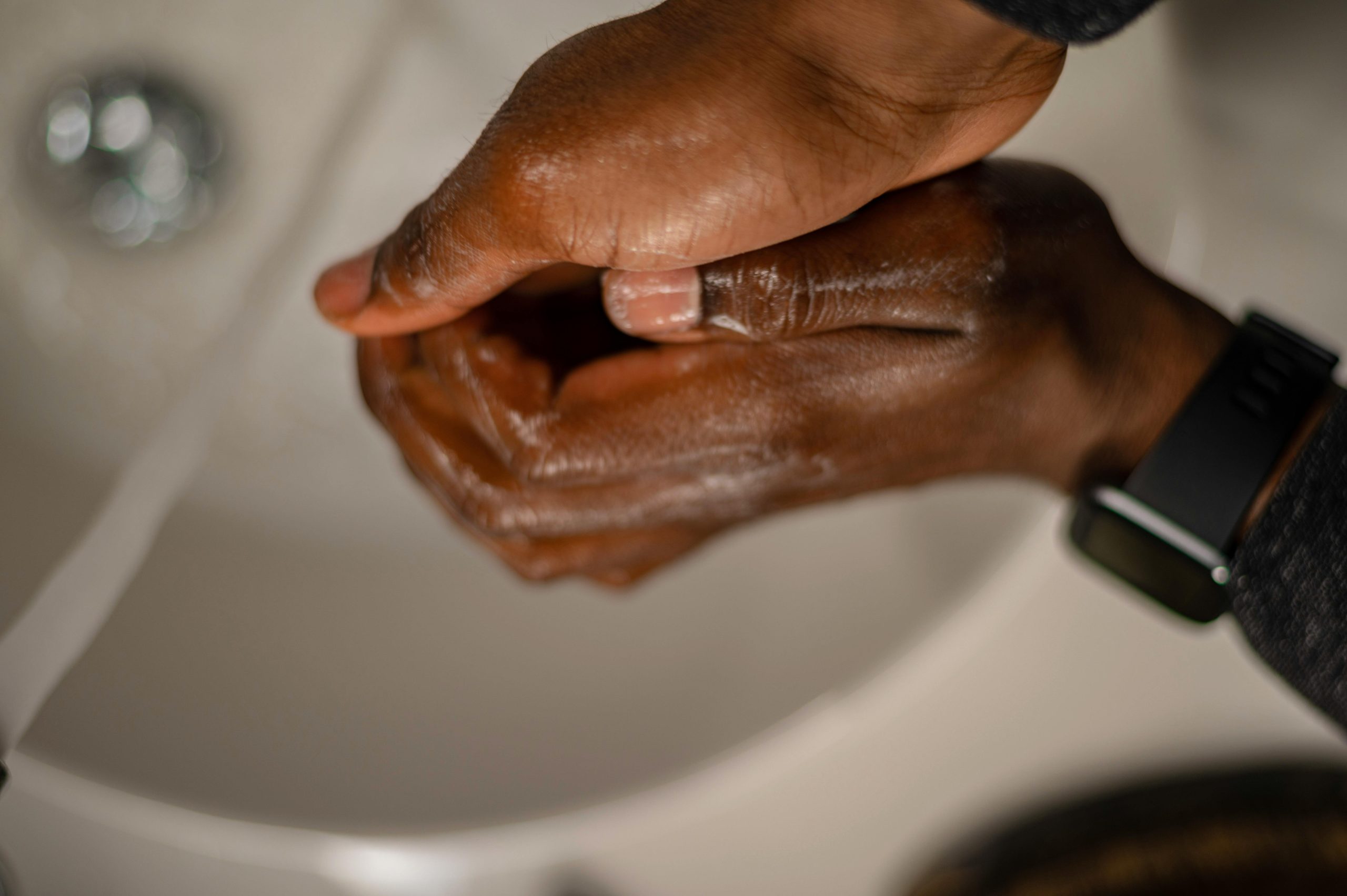
Many smartphone users, including myself, have noticed an intriguing pattern: whenever I wash my hands or do dishes while browsing the internet, I tend to see relevant advertisements shortly after. These ads appear within seconds of engaging in water-related activities—sometimes immediately after I turn on the faucet or wet my hands.
This pattern suggests a hypothesis: could smartphones be listening specifically for the sound of running water and, recognizing this context, trigger targeted advertising tailored to activities associated with water usage? While this may sound speculative, the consistency of these observations warrants consideration.
Is Sound Recognition Within the Realm of Smartphone Capabilities?
Modern smartphones are equipped with increasingly sophisticated sensors, including high-quality microphones capable of capturing a wide range of sounds. Advances in machine learning and signal processing enable devices to differentiate between various audio signatures, such as speech, music, and environmental noises.
While mainstream smartphones are not officially marketed as ‘sound-detecting’ devices for specific environmental triggers, the possibility cannot be entirely dismissed. Some apps and services do utilize ambient sound analysis for functions like noise cancellation or voice recognition, suggesting that the hardware and software frameworks exist to analyze specific audio inputs.
Potential Implications for Privacy and Consumer Awareness
If smartphones are capable of recognizing sounds like running water and using that data to serve targeted ads, it raises significant questions about privacy, consent, and the ethics of silent listening. Consumers should remain informed about the capabilities of their devices and advocate for transparent data practices.
Conclusion
While concrete evidence is lacking to definitively prove that smartphones are programmed to listen for the exact sound of running water, consistent personal experiences and technological plausibility suggest that the possibility warrants further investigation. As consumers and technology users, staying vigilant about how our devices interact with our environment is essential. Continued research and open dialogue are vital to ensuring that privacy rights are upheld in an increasingly connected world.
Disclaimer: This article explores possibilities based on anecdotal observations and current technological understanding. Until official confirmation is available, these ideas remain speculative but important to consider.