Israelis have dubbed their strategy to sever food, fuel, water, and electricity supplies to Gaza the “Hell Plan,” candidly acknowledging their goal to create a living hell for its residents.
Israelis name their plan to cut off Gaza food, fuel, water, and electricity: the “hell plan”, openly admitting they intend to make Gaza hell for its people.

Categories:
2 thoughts on “Israelis name their plan to cut off Gaza food, fuel, water, and electricity: the “hell plan”, openly admitting they intend to make Gaza hell for its people.”
Leave a Reply
Related Post

This week I was banned from 400+ subreddits in a day. I broke no rules and never even posted in most of them. The two power mods that did this to me have been power-tripping for years and they’re the exact type of authoritarian stooges that fit right in with Reddit CEO Ellen Pao’s new reddit.This week I was banned from 400+ subreddits in a day. I broke no rules and never even posted in most of them. The two power mods that did this to me have been power-tripping for years and they’re the exact type of authoritarian stooges that fit right in with Reddit CEO Ellen Pao’s new reddit.
The Growing Problem of Mod Authority and Censorship on Reddit: A Personal Reflection Reddit, often lauded as a bastion of free expression and diverse discussion, has faced increasing scrutiny regarding

Bongino update.Bongino update.
Ongoing Developments in the Bongino Case: Accountability in Focus In recent updates regarding the Bongino situation, there have yet to be any arrests made in connection with the case. However,
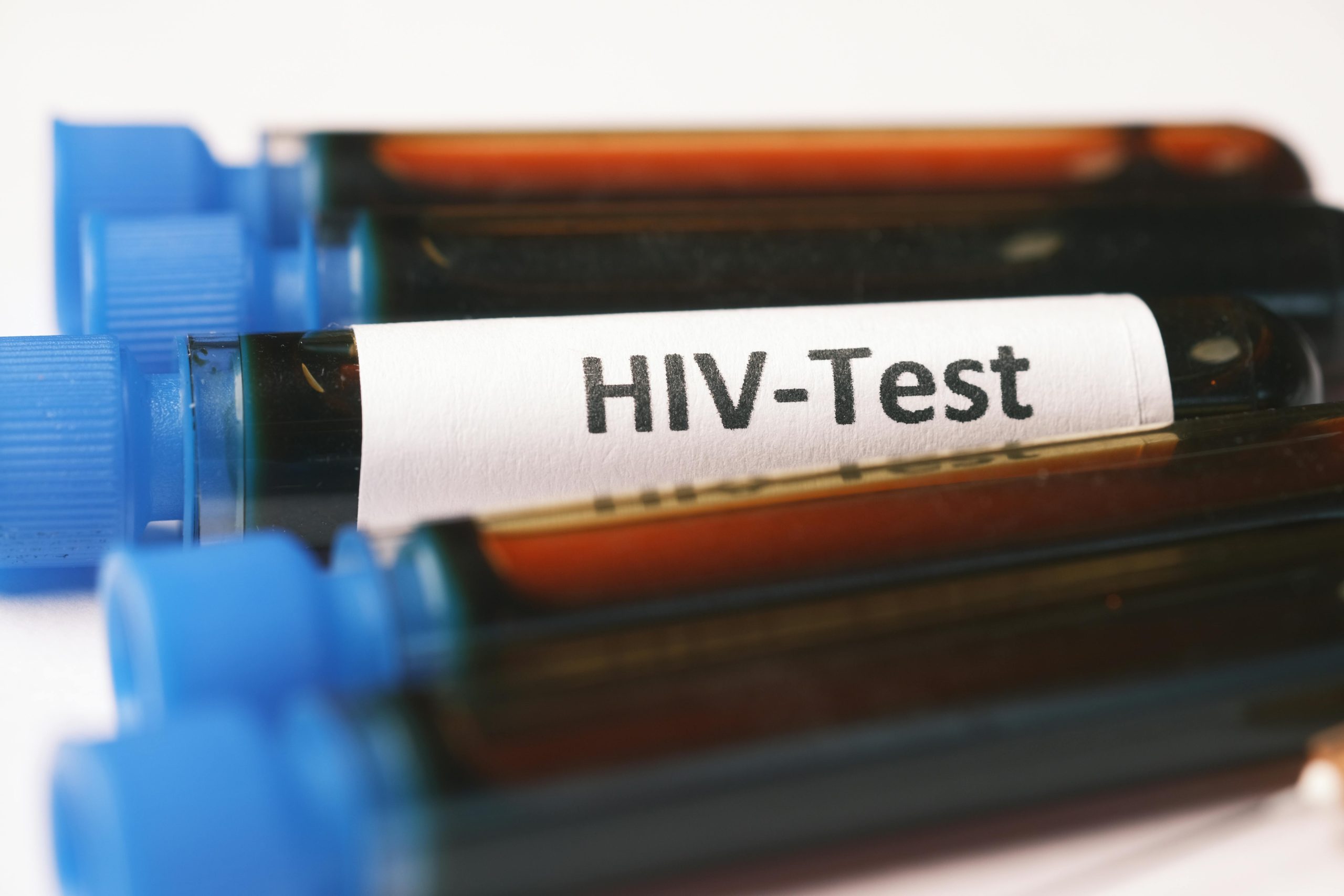
Hiv and Aids Were Created in A Lab.Hiv and Aids Were Created in A Lab.
The Origins of HIV/AIDS: A Lab Conspiracy Theory? Have you ever found yourself delving into the mysteries surrounding the HIV/AIDS epidemic, only to come up empty-handed in your search for
It’s important to approach such sensitive topics with care and empathy. The situation in Gaza is complex and deeply rooted in a long history of conflict, suffering, and humanitarian concerns. While it’s crucial to acknowledge the impacts of actions taken by any government on civilian populations, including access to basic needs like food, water, and electricity, it’s equally important to foster open dialogue that prioritizes the well-being of all individuals in conflict zones. Let’s strive for solutions that promote peace and the protection of human rights for everyone involved.
This post raises critical ethical and humanitarian concerns surrounding the ongoing conflict in the region. The title “Hell Plan” starkly highlights the severity of the situation for Gaza’s residents, who are already facing immense challenges. It’s essential to consider the broader implications of such strategies—not just for the immediate humanitarian crisis, but also for long-term peace and stability.
When a population is subjected to severe deprivation of basic needs, it creates a breeding ground for further violence and extremism. History shows that collective punishment often backfires, leading to radicalization and perpetuating cycles of conflict.
Moreover, this situation calls for urgent international dialogue and intervention to ensure that human rights are upheld. Organizations and governments alike must advocate for strategies that prioritize humanitarian aid and foster a pathway toward sustainable peace. Open discussions like this are vital in raising awareness and prompting action, and it’s crucial that we remain engaged in seeking humane solutions that respect the dignity of all people involved.