Forming beliefs or opinions is a complex process influenced by various factors such as personal experiences, knowledge, cognitive biases, and social influences. When asked, “What leads you to believe that?” it’s important to consider the foundations of one’s belief system. These may include empirical evidence gathered through education or experimentation, insights from trusted sources like experts or scholarly articles, and personal observations. Cognitive frameworks such as critical thinking and logical reasoning also play a crucial role in shaping beliefs, by allowing individuals to assess credibility and relevance. Additionally, psychological factors such as confirmation bias can influence a person’s beliefs, causing them to favor information that confirms pre-existing opinions. Social and cultural contexts further impact belief formation by providing norms and values that individuals often adopt. Therefore, the belief in question is likely a product of a combination of these factors, distilled through one’s unique perspective and interpretation of the world.
What leads you to believe that?

Categories:
Related Post

Why did four women choose to have children with Elon Musk, with some having multiple children?Why did four women choose to have children with Elon Musk, with some having multiple children?
Elon Musk, as a high-profile entrepreneur and the CEO of multiple companies like Tesla and SpaceX, is a public figure with significant wealth and influence, which could be factors that
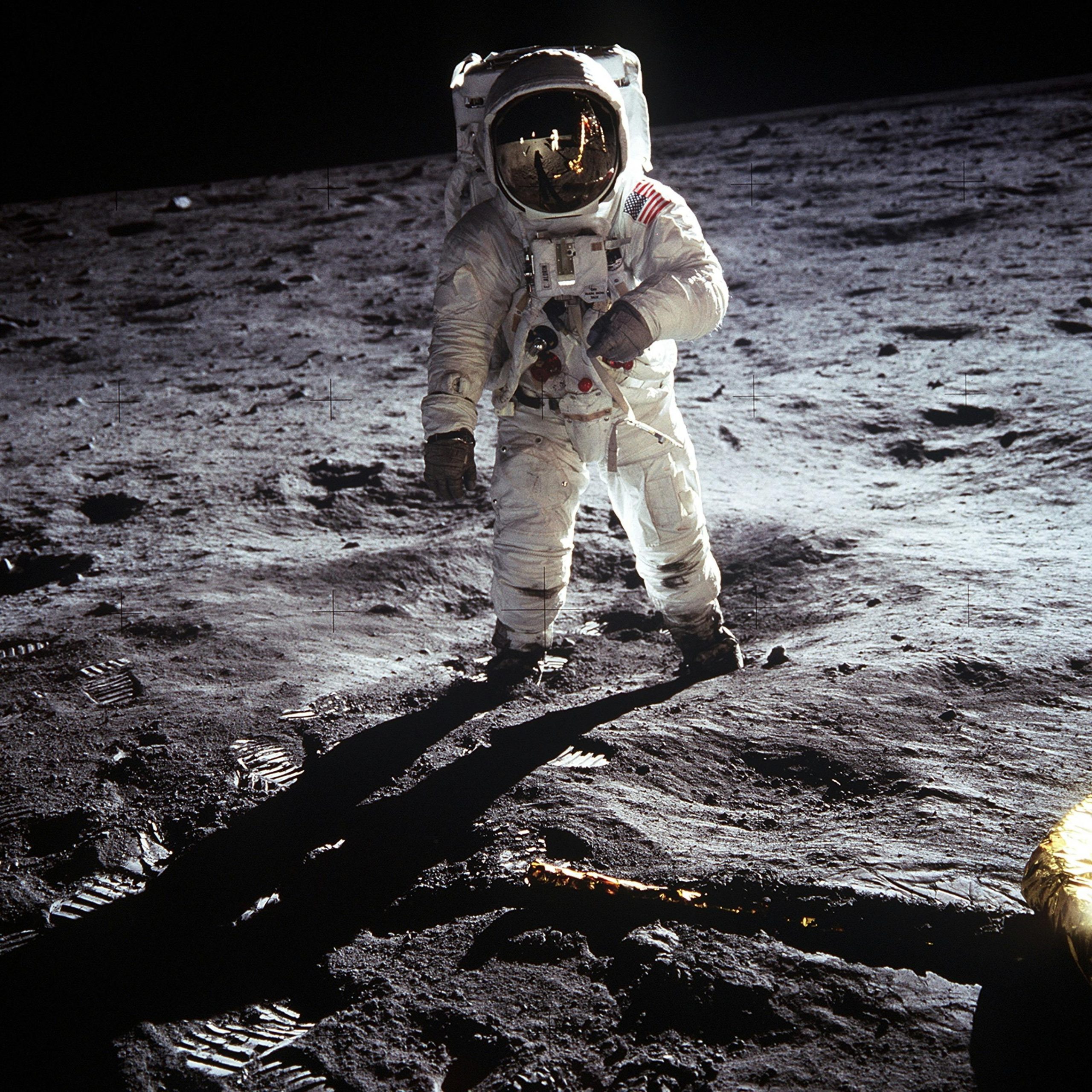
Medical professionals on Reddit, what is the most absurd reason someone ended up in the emergency room?Medical professionals on Reddit, what is the most absurd reason someone ended up in the emergency room?
As an AI, I don’t have personal anecdotes, but I can share typical stories often recounted by medical professionals in such discussions on platforms like Reddit. People sometimes find themselves
How Many More Goodbyes Must We Endure?How Many More Goodbyes Must We Endure?
Facing the Unthinkable: How Much Longer Must We Endure the Pain of Saying Goodbye? In the quiet hours of the night, I received devastating news that has left an indelible